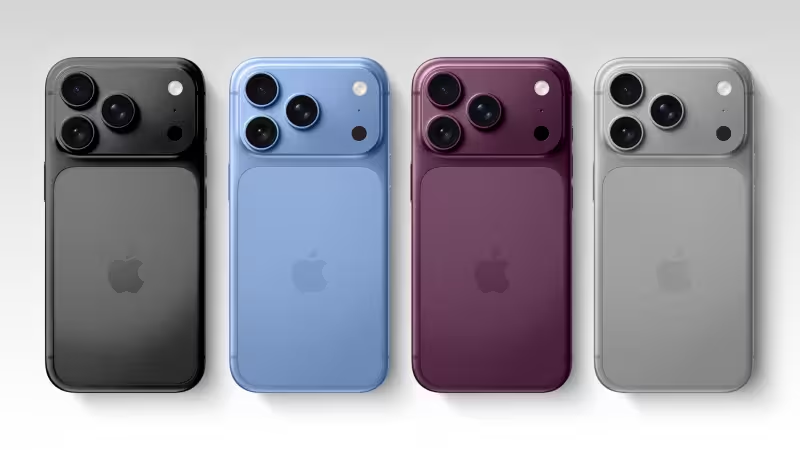
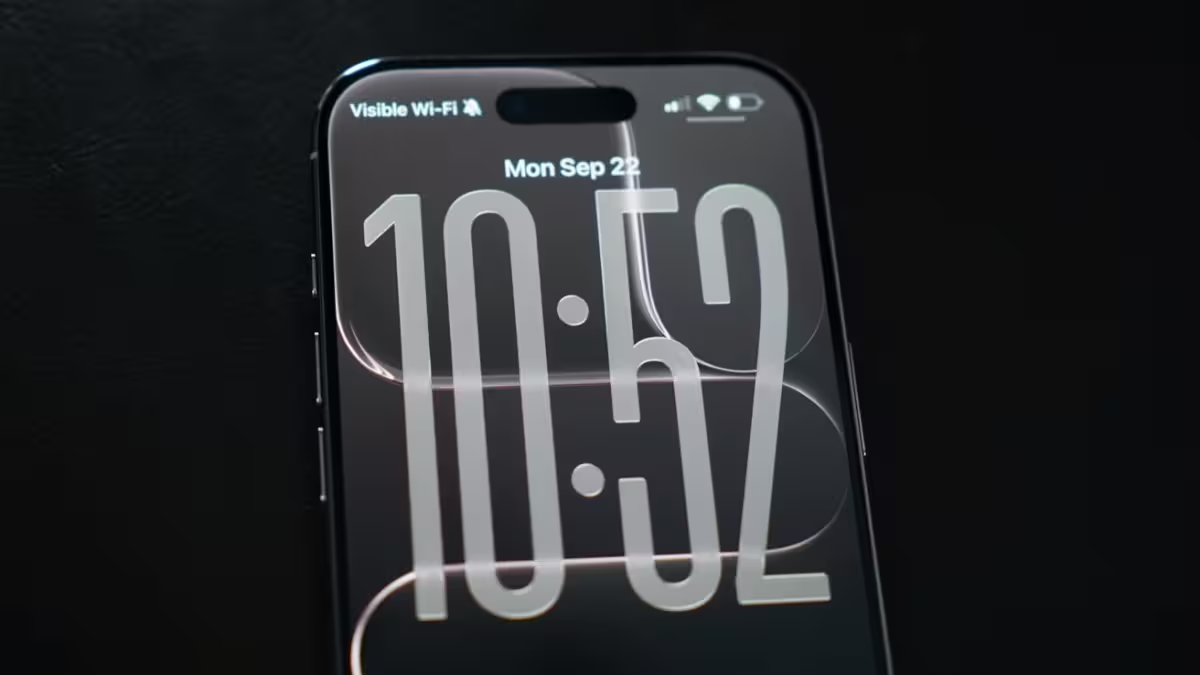
New iphone 18 pro rumors say Apple will move only one Face ID component under the screen of the iPhone 18 Pro models, a shift that would shrink the Dynamic Island and reshape what the company shows in September.
Those Pro models — the iPhone 18 Pro and iPhone 18 Pro Max — are not launching until September, and the latest chatter marks a step back from earlier reports that promised fully under‑screen Face ID with only a tiny front camera visible in the top‑left corner of the display. Instead, the leaks now suggest Apple will bury one Face ID element beneath the glass while others remain visible, a compromise that leaves less room for the pill‑shaped Dynamic Island on the Pro screens.
The practical numbers matter. The iPhone 18 Pro Max is expected to keep a very large display at about 6.9‑inch, and Apple is slated to announce the iPhone 18 Pro, iPhone 18 Pro Max and a foldable iPhone in September. Separately, a high‑end foldable called the iPhone Ultra is expected to carry a steep sticker — roughly $2,000 — and, according to one report, could ship in late November. For context on pricing, the previous iPhone 17 was available at $799.
Apple’s broader rollout looks deliberately staggered. The company is expected to release a standard iPhone 18 model, a lower‑end iPhone 18e and a second‑generation iPhone Air early next year. A Forbes report goes further, saying the regular iPhone 18 is being deferred until Spring 2027 and that the iPhone 18e may arrive alongside it in that spring window. The September event, then, would focus on the Pro tier and the foldable Ultra while leaving the mainstream lineup for months afterward.

The context for these shifts is already apparent in reporting: a MacRumors roundup notes there are plenty of rumors circulating even though the Pro pair won’t ship until September, and the Forbes write‑up frames Apple’s approach as a deliberate staggering of releases rather than a single, unified launch of the full iPhone 18 family. That sequencing has clear consequences — it concentrates new hardware options in the autumn while limiting mainstream choices for buyers through the holidays.
There is a clear tension between earlier expectations and the latest detail. Previous leaks had pointed to a nearly invisible, fully under‑screen Face ID setup with only a lone front camera dot at the top‑left of the display; the newer reports trim that ambition by saying only one Face ID component will be moved under the screen. The technical tradeoff is simple: moving fewer sensors frees up less internal space, and that reduction would directly shrink the Dynamic Island area Apple has used for notifications and status indicators.
The practical effect for buyers and reviewers comes down to choice and timing. If Apple reserves its most visible design changes and the foldable Ultra for September, and then holds the vanilla iPhone 18 and an 18e back until spring, consumers who want the latest hardware will face a narrower set of options this autumn. That narrowing could push some buyers toward the pricier Pro or Ultra models or persuade others to wait months for the standard model and the lower‑cost 18e.
Based on the pattern in these reports, Apple appears to be prioritizing a high‑end fall lineup while stretching mainstream releases into 2027. For readers deciding whether to buy this year or wait, the clearest conclusion is that the headline items in September will be the Pro upgrades and the foldable Ultra — and that the standard iPhone 18 experience may not be widely available until Spring 2027.