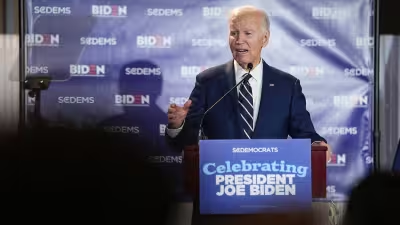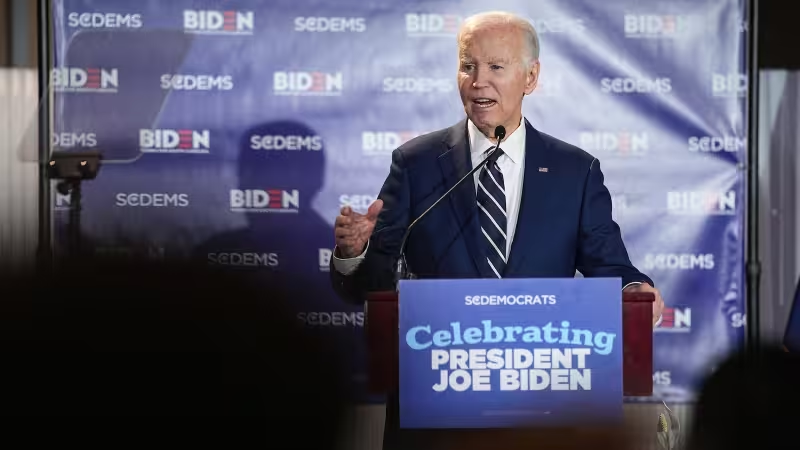
Former President Joe Biden filed suit Tuesday against the Justice Department, asking a federal judge to block the release of audio recordings and transcripts from interviews he gave for his memoir. The case was filed in U.S. District Court in Washington, D.C.
The material at issue comes from interviews Biden gave in 2017 to ghostwriter Mark Zwonitzer for Promise Me, Dad: A Year of Hope, Hardship, and Purpose. Those recordings and transcripts later became central to the special counsel investigation into Biden's handling of classified materials after he left the vice presidency, and the Justice Department obtained them as part of that probe.
Biden's lawsuit lands as the department has said it intends to release the audio and transcripts to the Heritage Foundation and the House Judiciary Committee on June 15 unless a court order stops it. His lawyers say the current Justice Department reversed course beginning in February without any formal explanation, after Biden administration career attorneys had treated release of the materials as a clear break from department norms.

The dispute sits on top of a separate fight over public records. The Heritage Foundation has pressed a Freedom of Information Act request for records from former special counsel Robert Hur's investigation, and Biden moved after the Justice Department intervened in that case. The White House years are over, but the records remain caught in a legal fight over what the public, and political opponents, can see.
That fight also turns on privacy. Biden's team says the recordings captured personal conversations made inside his home and were gathered through a criminal investigation. The special counsel ended the probe in February 2024, finding that Biden willfully retained and disclosed classified materials but recommending no criminal charges.
The outcome now depends on whether the court treats the tapes as investigative records the department can release or as private conversations that should stay sealed. For Biden, the question is no longer about the special counsel's decision; it is whether the government can now hand over the raw material that helped produce it.