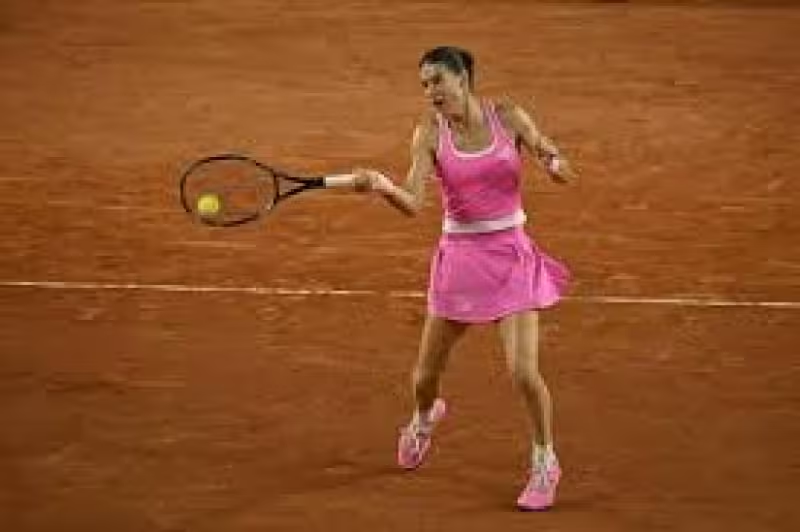
Sorana Cîrstea erased an early deficit and beat Eva Lys 6-3, 6-0 in the second round of Roland Garros on 27 May 2026, turning a 0-3 hole into a one-sided win. The match, scheduled on Court 9, began at 19:57 and became a study in momentum: after losing the first three games, Cîrstea rattled off 12 consecutive games to finish the match in straight sets.
The scoreline understates how the match shifted. Cîrstea, 36 and seeded No. 18 in the WTA rankings, took the first set 6-3 after 36 minutes of play and completed the rout with a 6-0 second set. At one point she ran five games in a row to close out the first set — a comeback the live feed described as a "fantastic return" that produced five consecutive games and a set won at the end of 36 minutes — and then extended that sequence until Lys won no further games.
The numbers make the turnaround plain: Lys, 24 and ranked No. 81, began brightly, but Cîrstea flipped the match into her control and never looked back. The 12-match-game streak that decided the contest came directly after the initial 3-0 deficit and left no margin for recovery for Lys, who was unable to break the veteran's run once the momentum swung.
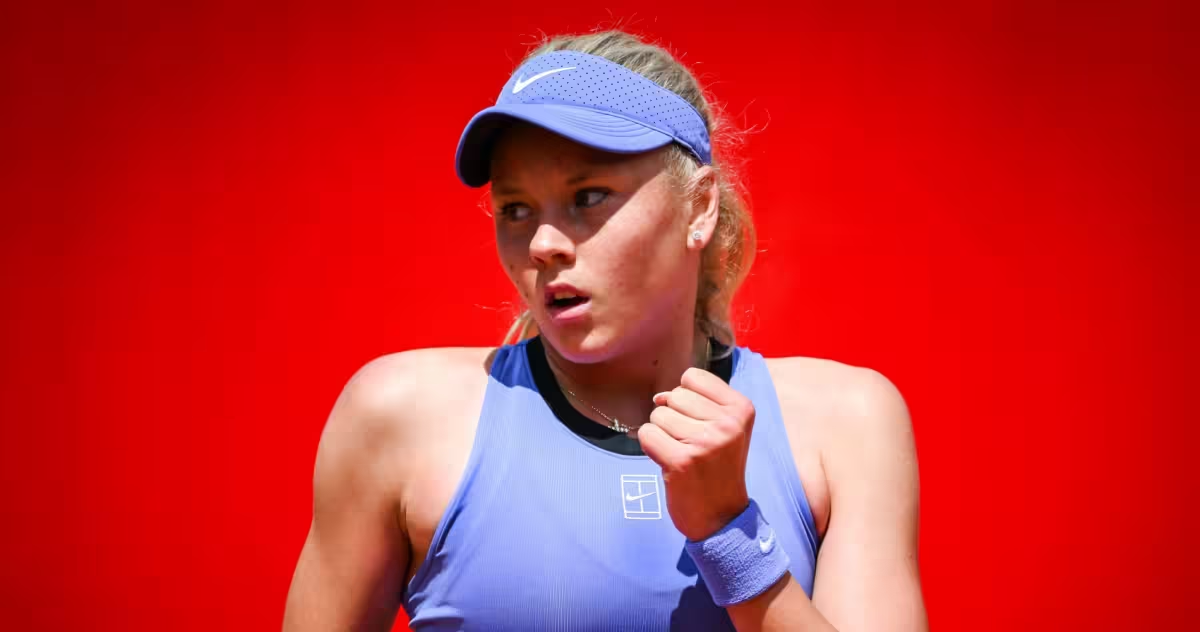
Context matters: Cîrstea arrived on Court 9 having already advanced from the first round by beating Ksenia Efremova 6-3, 6-1 on 24 May 2026. That earlier win carried her into Saturday night's matchup, but it did not predict the shaky start she suffered against Lys — only the depth of her experience suggested the possibility of the kind of recovery that followed.
The match contained the tension that makes sport compelling. A younger, lower-ranked opponent seized the early edge and might have forced a longer contest; instead, Cîrstea's reversal exposed the gap between an opening burst and sustained control. The swing from 0-3 to a run of 12 straight games is a large, almost surgical change in match posture — one that revealed both Lys's inability to regain footing and Cîrstea's capacity to impose order once she found her rhythm.
For spectators and for Cîrstea herself, the result carried immediate payoff: the veteran advanced to the third round of Roland Garros, extending a clay-court campaign that began with the victory over Efremova on 24 May. The result also underscored why, despite the calendar and a ranking gap, experience can be decisive in a two-set match — particularly when a player can manufacture a long streak of service holds and breaks, as Cîrstea did here.
On a practical level, the win secures Cîrstea's place in the last 32 at Roland Garros and keeps her bid in the tournament alive. For sorana cîrstea, the evening on Court 9 will be remembered not for the first three games she dropped but for the dozen she won in a row that ended the contest — and for the way a seasoned player can convert a brief scramble into a dominant victory.