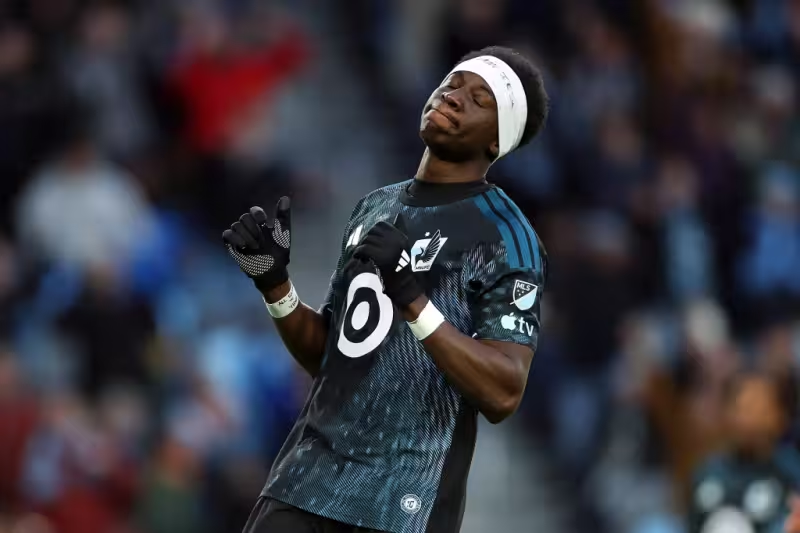
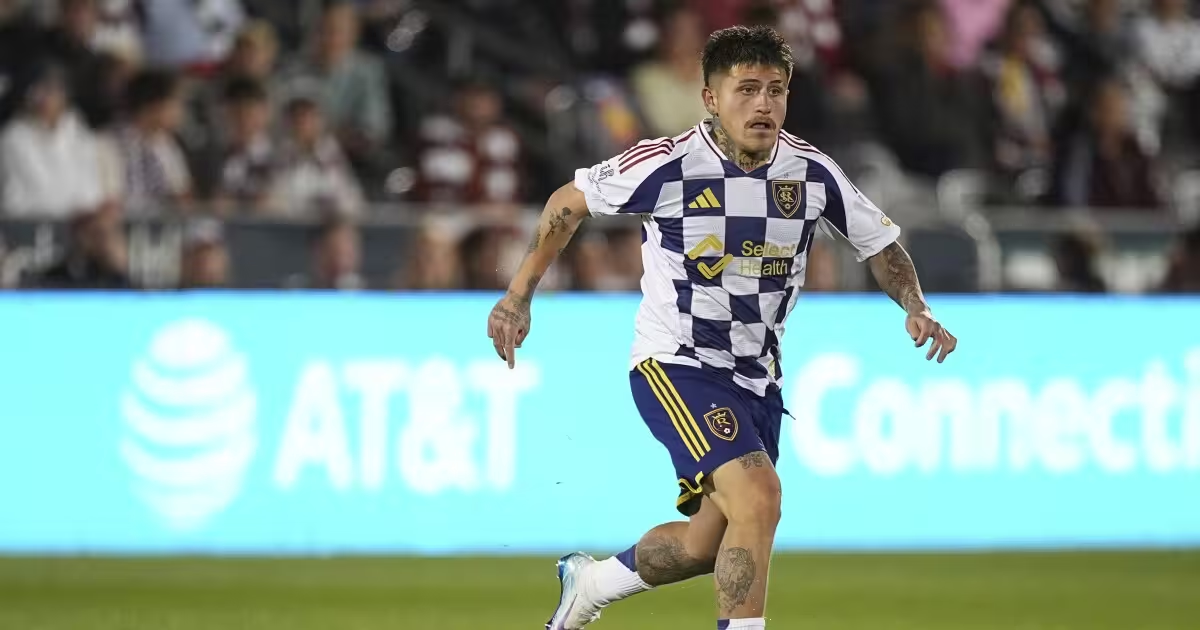
Minnesota United hosted Real Salt Lake at Allianz Field in Saint Paul on May 23, 2026, in a Western Conference match that doubled as the home side's final game before Major League Soccer pauses for the biggest global competition. The clubs were due to kick off in the afternoon; Minnesota United FC listed a 3:30 p.m. start while Goal.com published a 4:30 PM kickoff.
The result mattered on the table. Real Salt Lake arrived settled third in the West after winning three of their last five competitive matches, including a 2-1 victory over the Colorado Rapids in their most recent outing. Minnesota United sat eighth in the Western Conference and were coming off a 2-1 loss to the New England Revolution, having lost two of their last three MLS outings and recorded one win, one draw and three defeats across their last five matches in all competitions.
Minnesota United described the fixture as the club's final matchup before the league break, and both teams had clear incentives: RSL aiming to string wins together before the pause and Minnesota chasing momentum and points to climb the table. Goal.com reported no confirmed injury or suspension information for Minnesota United and no confirmed team news for Real Salt Lake ahead of the trip, leaving lineup questions unresolved as coaches made last-minute decisions.
The match also posed practical headaches for supporters. Minnesota United FC promoted a fan day around the game: gates would open at 2:00 p.m., the Sun Country Pre-Party would start at 1:30 p.m., and the Wonderwall March to the Match was to meet at The Calling loon sculpture an hour before kickoff. All hot dogs in the stadium were priced at $2 on Saturday. Broadcast arrangements were firm: Apple TV, which holds global rights for every MLS regular-season match in 2026, carried the game live.
The divergent published kickoff times introduced a small but sharp tension between club messaging and independent listings. For fans planning travel, parking, the pre-party or the Wonderwall march, a one-hour discrepancy on start time could force last-minute changes; for broadcasters and viewers tuning in on Apple TV the difference raised questions about which schedule would govern the feed. Those operational frictions were the kind that do not change a table position but can shape the match atmosphere and early momentum.
On the field, the contrast in form framed the contest as a test of whether Minnesota could arrest a slide or whether Real Salt Lake would use the trip to tighten their hold on a top-three place in the West. The teams met not as equals on paper — RSL with recent wins and Minnesota trying to stop a run that included a 2-1 loss to New England — but in a league where a single result can alter confidence heading into a long pause.
What the match ultimately decided was simple and consequential: whether Minnesota could leave Allianz Field with a result that shifted momentum before the break, or whether Real Salt Lake would convert road form into points and press their advantage in the conference. With team sheets still uncertain, a split on kickoff time, and the league about to stop, the sharper unanswered question is which side will use this tightly scheduled afternoon to change the tone of its season.