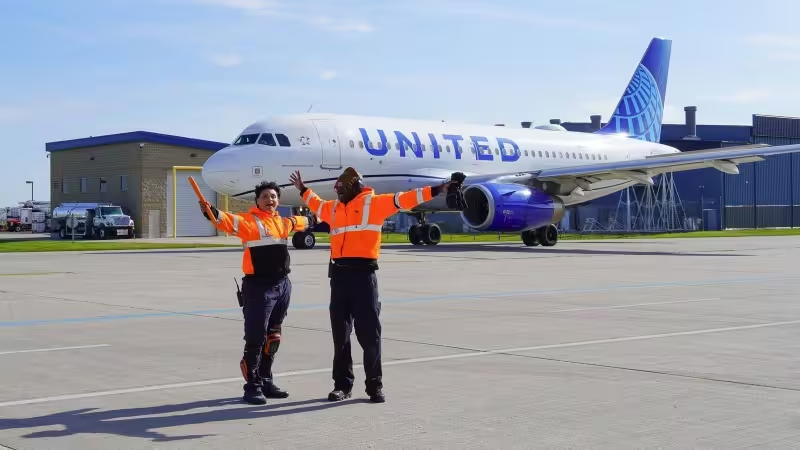
American Airlines and United Airlines are pushing Airbus A319s into smaller cities that long depended on smaller regional jets, a shift that became visible this spring at airports in Wisconsin and Arizona. At Appleton International Airport, aviation enthusiasts spotted A319s from both carriers on flights that were usually handled by Bombardier CRJ and Embraer jets. At Flagstaff Pulliam Airport, American introduced the airport’s first scheduled Airbus A319 service and replaced smaller CRJ regional jets on flights to Dallas/Fort Worth International Airport.
The change matters because it shows a bigger aircraft strategy moving deeper into the airline network, not just on major trunk routes. At Flagstaff, which sits at roughly 7,000 feet above sea level, the new jet gives the airport its first mainline aircraft and its first regularly scheduled main-fleet jetliner. Brian Gall said the A319 is owned and operated by American, flies with an American Airlines call sign, and marks the next step in passenger comfort and features for the airport.

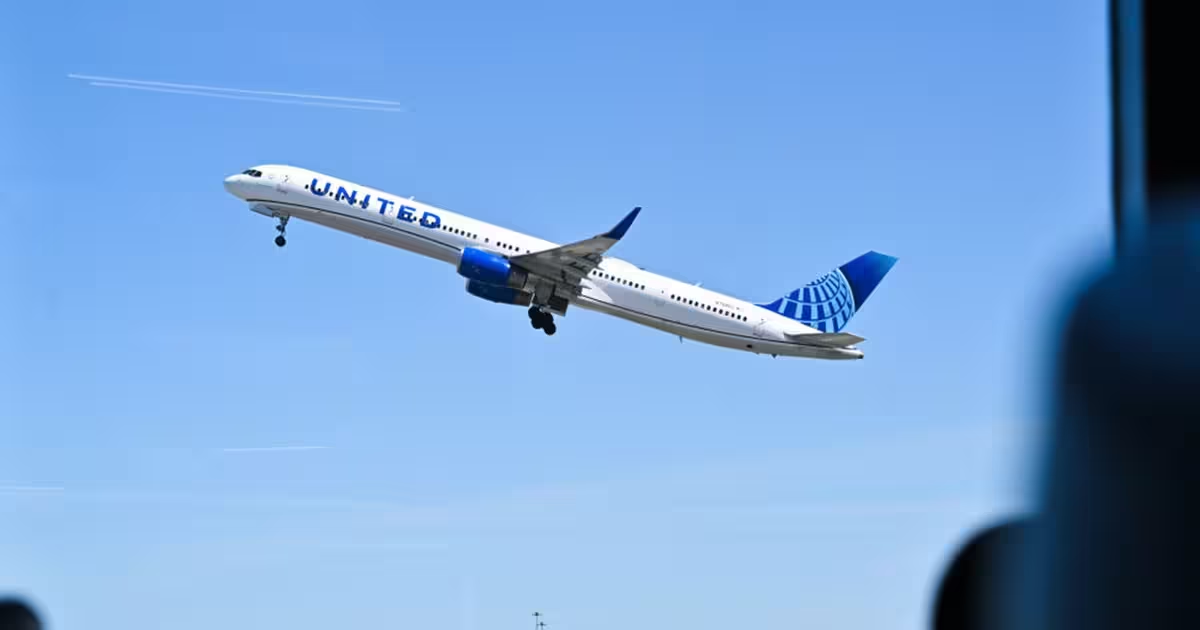
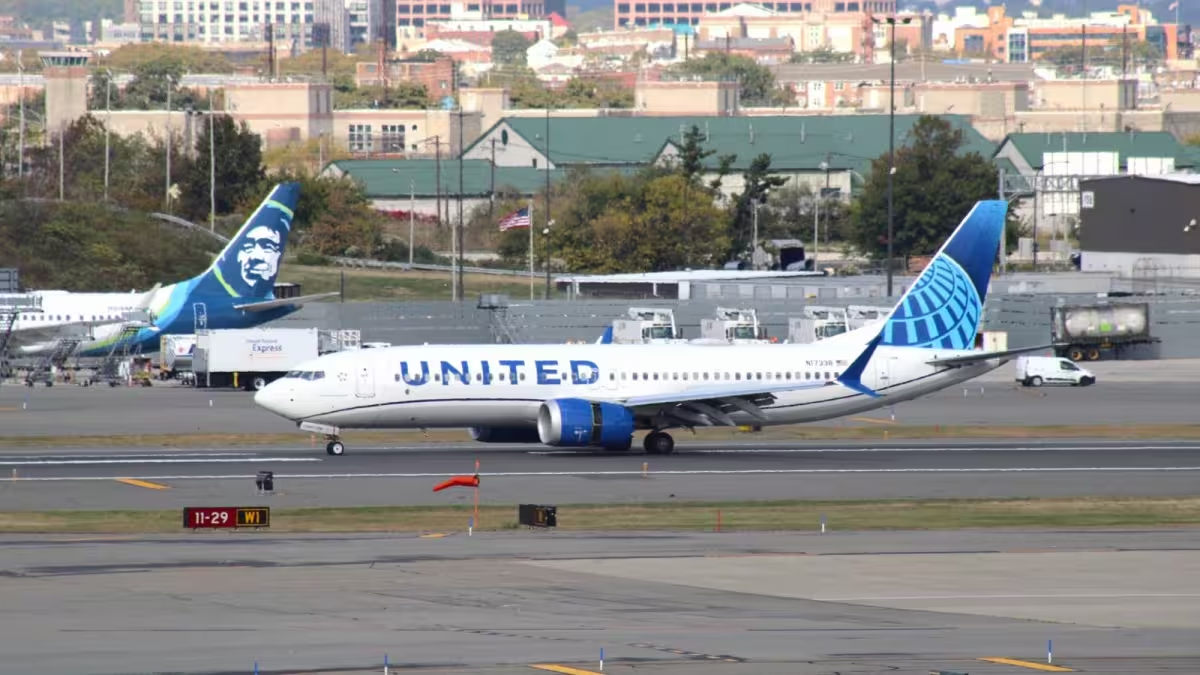
That is a sharp break from how the airport looked as recently as 2019, when it was being served by planes with only 50 seats. Now, Gall said, travelers are being carried on aircraft with over 150 seats. Airport crews painted new markings and upgraded ground handling equipment to accommodate the larger jet, a practical sign that the change is already underway and not just a schedule adjustment on paper.
Flagstaff Pulliam is one of the only commercial airports in northern Arizona, which gives the service change a wider reach than a single route update. The larger aircraft offer bigger cabins, more premium seating, improved onboard amenities and better performance in high-altitude conditions. Gall also said Airbus is one of the biggest aircraft makers in the market, and described the A319 as a narrow-body jet with the more familiar three-abreast seating passengers expect in the main cabin.
The friction in this shift is simple: airports built around 50-seat and 70-seat regional flying now have to handle airplanes that are larger, heavier and more complex to support. But the direction is clear. The era when small regional jets dominated service to America’s secondary airports is beginning to fade, and airlines are increasingly willing to put mainline aircraft on routes once thought too small for them. For Flagstaff, Thursday was the day that change arrived in full view.