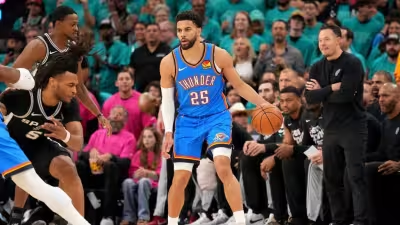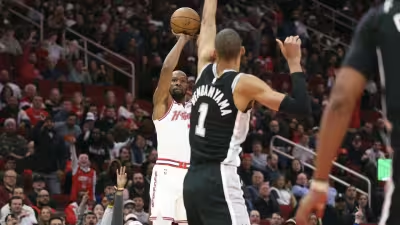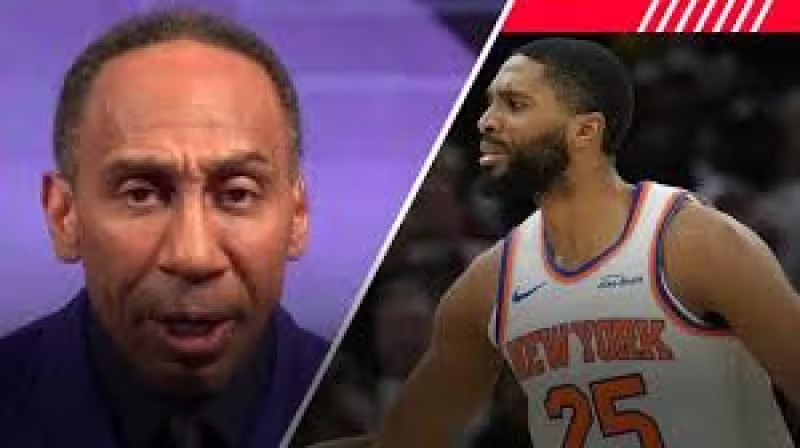
The New York Knicks beat the Cleveland Cavaliers 121-108 on Saturday in Game 3, taking a 3-0 series lead, and the reaction from national voices was immediate and blunt.
Stephen A. Smith, speaking on May 24, 2027, said the Cavs’ finish was unacceptable, posting: "This is a disgraceful late-game show of effort by the @cavs. Hate to say it, because I’m a @nyknicks fan, but it’s just the truth: when you see this franchise quit like they just did, it needs someone who cares a bit more. Someone proudly accountable to Cleveland." He followed that with a direct call to action: "Yes…..I’m saying it…….they need @KingJames to return home to save the day…..if THIS group is ever going to bring a title back to Cleveland. Seriously!!!!"
The scoreline and the series margin underline why Smith’s words landed: a 121-108 loss in Game 3 means the Cavaliers now trail 3-0, with one more Knicks victory enough to send New York to the NBA Finals. For a franchise and fan base still carrying memories of past champions, the numbers are stark and immediate.
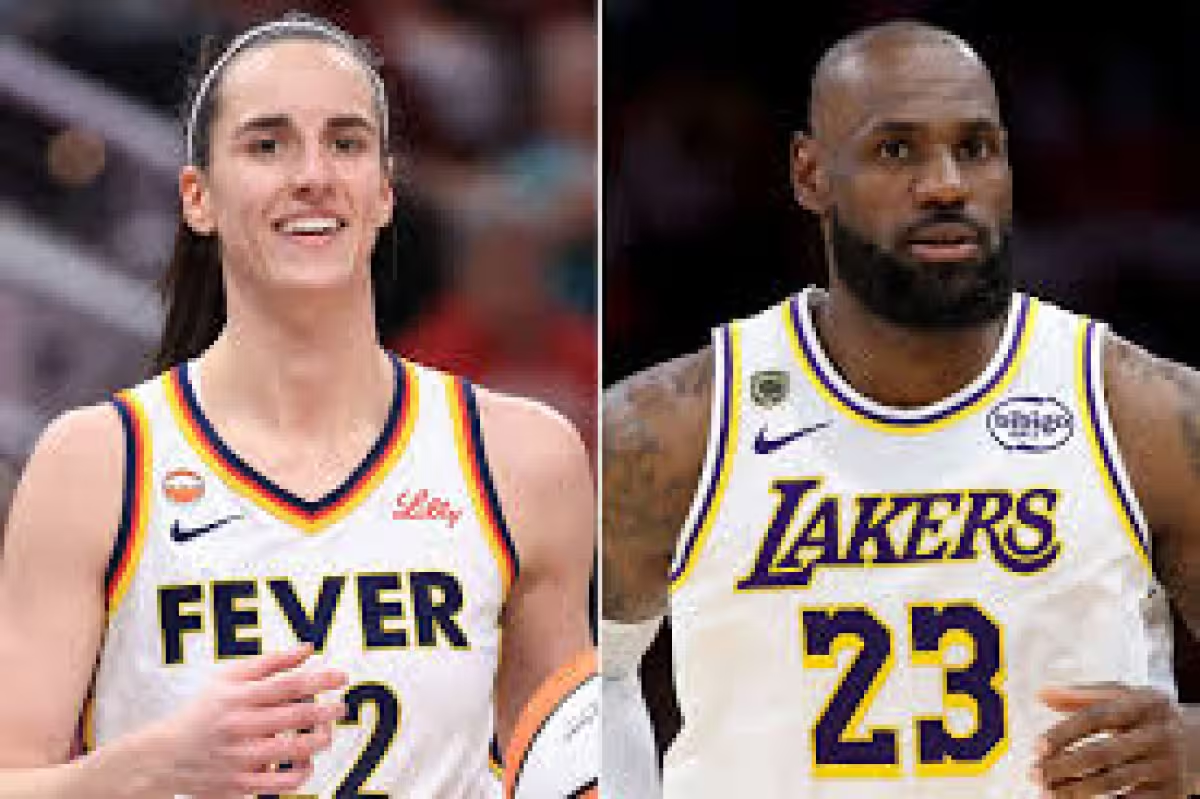
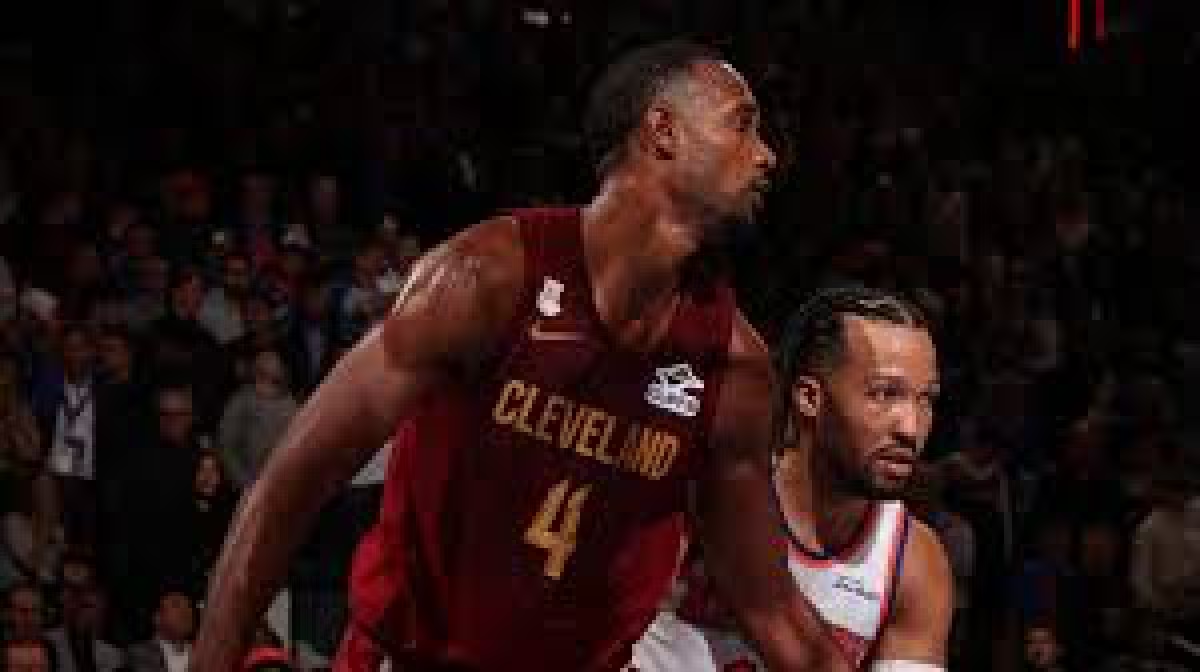
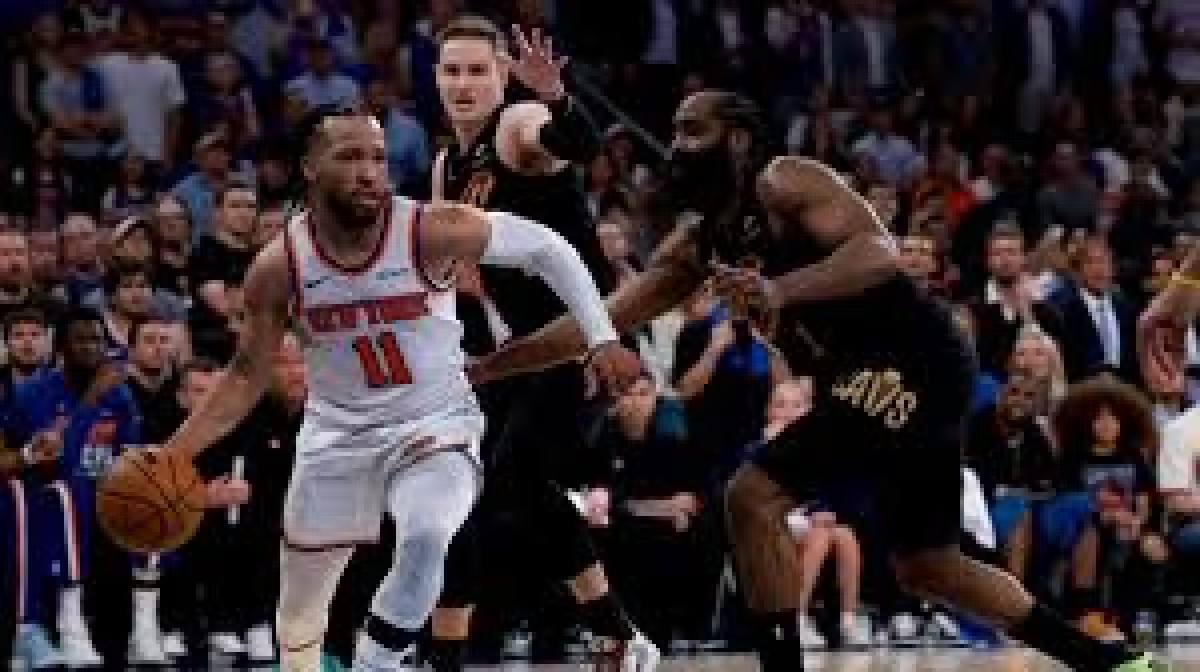
Speculation about a return by LeBron James has swirled since the Los Angeles Lakers were eliminated from the playoffs. The chatter hardened in recent days after James reportedly liked an Instagram post showing him in a Cavaliers jersey. Those signals sit alongside words James himself spoke on May 11: "I don’t know what the future holds for me, obviously, as it stands right now tonight," and, "I’ve got a lot of time now. I think I said it last year after we lost to Minnesota. I’ll go back and recalibrate with my family and talk with them and spend some time with them, and then obviously when the time comes, you guys will know what I decide to do."
That is the tension driving the story now. Smith’s public demand for a LeBron homecoming clashes with what James actually said: a deliberate refusal to telegraph a decision, coupled with a promise to consult his family and then announce whatever comes next. The like on social media that resembled a Cleveland throwback photo complicates the picture rather than clarifying it — it is signal, not a commitment.
For Cleveland, the practical consequence is immediate. The Cavaliers are one loss from elimination; the roster on the floor in Game 3 drew Smith’s scorn precisely because the team’s late-game effort left a market and national pundits asking whether this group can be fixed without a seismic change. For James, the calculus is different: he has put public space between himself and a snap decision, even as outside observers press the narrative that only his return would restore the franchise’s championship prospects.
The single most consequential unanswered question now is plain: will LeBron James choose to return to Cleveland in time to alter a series that sits at 3-0, or will the Cavaliers’ postseason end without the intervention Smith publicly demands? That decision — not punditry or social likes — will determine whether Cleveland’s season ends this week or whether the franchise gets another shot at the path back to the Finals.