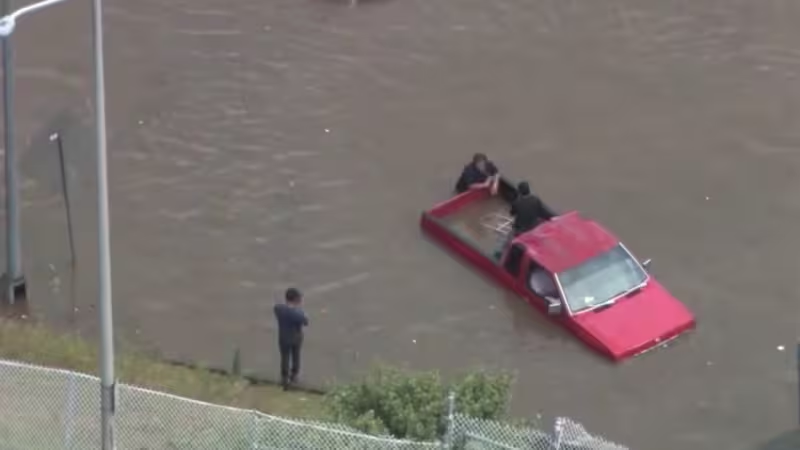
Flash flooding stranded multiple motorists on the Downtown Connector during Wednesday’s evening commute, forcing troopers to shut down Interstate 75 at Baker Street and trapping cars in rapidly rising water.
State troopers blocked the highway after water surged up beneath the Baker Street overpass, leaving traffic completely stopped from 5 p.m. until just before 6:30 p.m. while crews worked the scene. A Georgia Department of Transportation camera captured drivers trying to cross the rising floodwater; in one instance a vehicle became partially submerged up to the window level and one person stood on the roof of a white car before someone walked through the water to bring them to safety. Firefighters from the Atlanta Fire Rescue Department responded to reports of multiple stranded vehicles near West Peachtree Street NE and found four impacted vehicles. All occupants had safely exited before firefighters arrived and no injuries were reported.
The National Weather Service placed Atlanta and nearby areas under a flash flood warning that ran into the evening, initially set to last until 11:15 p.m. but canceled at 8:15 p.m. after the storms moved out of the metro area. Live radar at the height of the downpour showed between 1 and 1.5 inches of rain falling in a short period, with rainfall rates reaching 1 to 2 inches in 30 minutes. Officials said the water rose within a span of two minutes, giving drivers little time to react.
The City of Atlanta said administration officials monitored the incident from the city’s new Integrated Command Center and that city teams were on the ground monitoring conditions, responding to affected areas and coordinating across departments to address roadway hazards and drainage concerns. The city said it worked with the Georgia Department of Transportation to track traffic impacts across the region and urged residents to report highway issues to state officials. The highway was eventually reopened once troopers and city teams cleared the most hazardous areas.
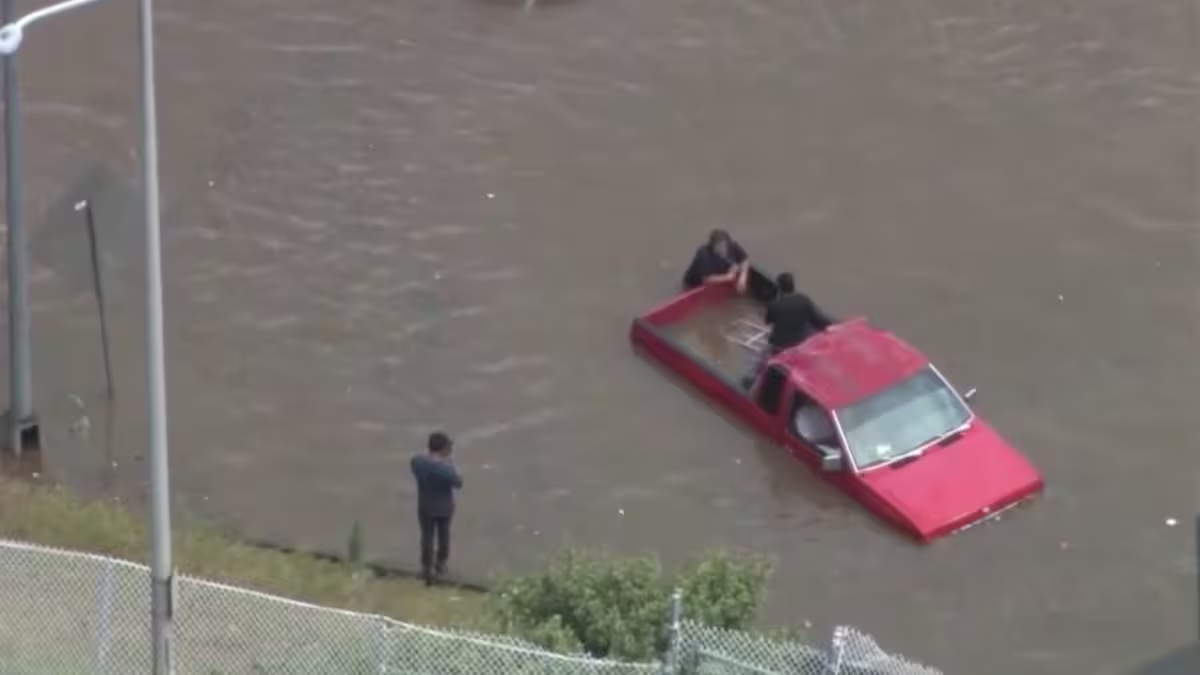
The suddenness of the flooding was tied directly to weeks of dry weather that preceded the storm. That dry spell allowed leaves, natural debris and everyday trash to clog storm drains across the city, officials said, and when the heavy rain arrived those blockages helped turn a short, intense downpour into dangerous standing water on a major commuter route. The Downtown Connector is one of Atlanta’s busiest arteries, and the flooding came during the peak rush hour on May 20, 2026.
The incident also drew attention from private operators on city roads. Waymo released a brief statement: "Safety is Waymo’s top priority, both for our riders and everyone we share the road with. During a period of intense rain today in Atlanta, an unoccupied Waymo vehicle encountered a flooded road and stopped. The vehicle has been recovered and removed from the scene." The company paused service in the area until the storms moved through.
Tension around the event centers on how quickly conditions deteriorated and how drivers reacted. Cameras showed several vehicles attempting to drive into rising water even as the flash flood warning was in effect; one car became partially submerged to the window line within minutes. That gap—between drivers' decisions on the road and the speed at which floodwater rose—explains why troopers closed the Connector and why city teams emphasized that residents should report roadway hazards immediately to state officials.
The practical consequence is clear: until storm drains are cleared and inspections are stepped up after dry stretches, brief but intense storms can overwhelm drainage systems and turn routine commutes hazardous. The combination of 1 to 2 inches of rain in 30 minutes and clogged drains turned a short-lived downpour into a shutdown of a major highway. City and state agencies coordinated during the incident, and the National Weather Service canceled the flash flood warning at 8:15 p.m. after the worst of the storms passed, but the incident on May 20 underscores how quickly weather can paralyze traffic and put motorists at risk.
For commuters, the lesson is immediate: take flash flood warnings seriously and avoid driving into standing water. For city officials, the test is operational—identify and clear vulnerable drains before the next burst of summer storms so a repeat shutdown of the Downtown Connector does not catch rush‑hour drivers by surprise.