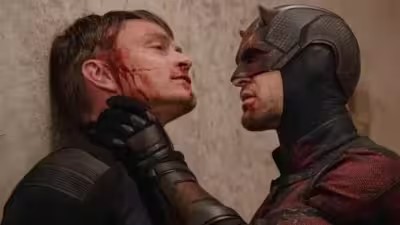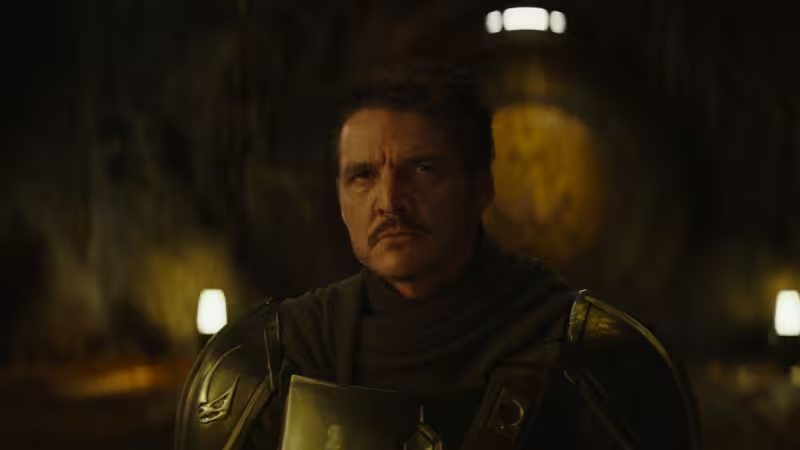
filmogaz.com/tag/dave-filoni" rel="tag">Dave Filoni put it simply: "There’s no wrong way to watch Star Wars." FilmoGaz lays out the practical choice facing anyone who opens the galaxy — follow the films in the order they were released, or watch the story straight through from its chronological beginning with George Lucas’ 1999 prequel, The Phantom Menace.
The decision matters because the Star Wars universe is no longer a single film or trilogy. It now spans 12 live-action feature films and six live-action TV shows and counting, and the episodic nature of the saga makes chronological sequencing simple on paper: the story begins, by chronology, with The Phantom Menace, which introduced a young Anakin Skywalker played by Jake Lloyd and set in motion the arc that later shows Anakin’s turn to the Dark Side as portrayed by Hayden Christensen.
But the numbers and names only tell part of the story. The first film most viewers met in 1977 carried the title Episode IV: A New Hope — the title itself underlined that George Lucas was telling a saga out of order, that there was both a past and a future outside that original picture. That original release order is how most fans encountered Star Wars, and Jon Favreau has said he personally prefers the original release order, starting with Episode IV. FilmoGaz’s recommendation for a first-time viewer follows that line: watch the films as they arrived so the emotional beats and reveals land the way they did for the audience who made the franchise a cultural force.
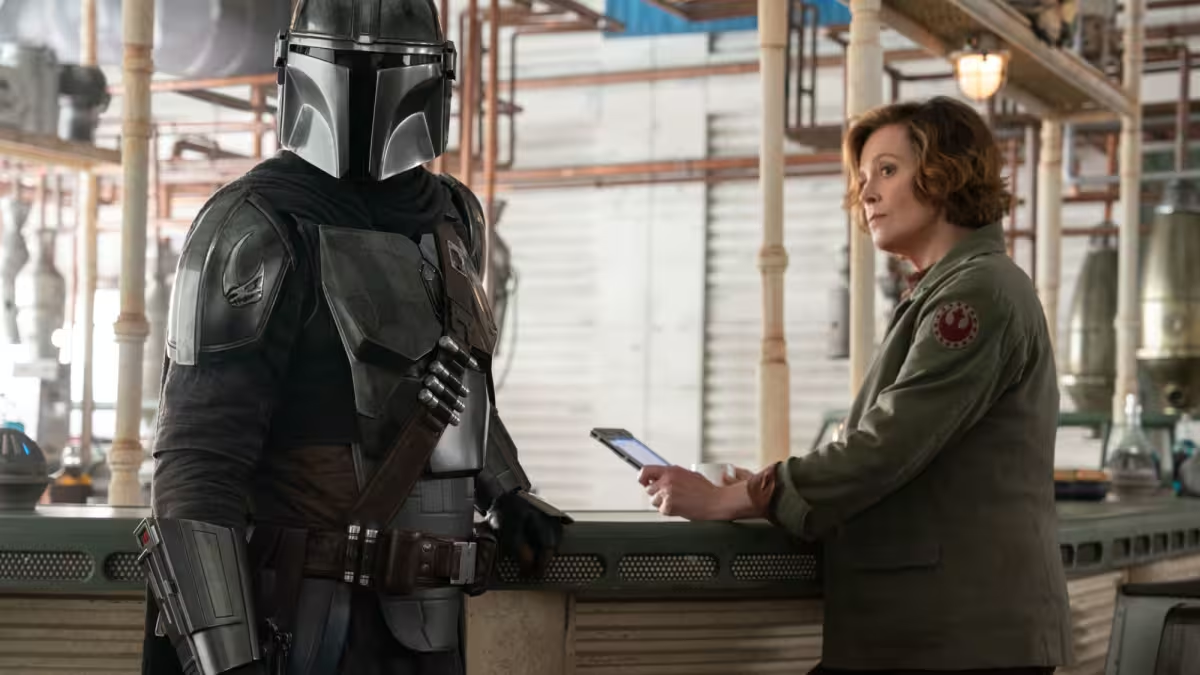
Chronological watching has its attractions and problems. It folds the spinoffs Solo and Rogue One into a complete timeline, and it places live-action series and animated entries where they belong relative to the films. But there are two main drawbacks to a straight chronological run: the prequels pale in quality when compared to the original trilogy, and the added context from the original films — the surprises, the character gravity — makes Anakin’s fall more tragic and interesting than seeing it first, in isolation. For viewers who already know the big turns, though, chronological order can clarify cause-and-effect across the saga.
The expanded television slate complicates any neat viewing list. Star Wars: The Clone Wars first appeared in 2003 as a show from Genndy Tartakovsky and returned in 2008 as a different animated Clone Wars series from Dave Filoni. The Disney era added live-action shows and the animated Star Wars Rebels. Series placement matters: Acolyte is set 100 years before The Phantom Menace; Obi-Wan Kenobi takes place 10 years before A New Hope; Andor and Star Wars Rebels run during the lead-up to A New Hope; and The Mandalorian picks up five years after Return of the Jedi. Filoni has repeatedly emphasized accessibility — "It’s an entry point," and "We don’t want you to feel like you had to catch up on all these other series and shows." He even cautioned, "I wouldn’t second-guess the maker," nodding toward Lucas’ original structure.
There is a friction point here: creator intent and fan habit versus an ever-expanding timeline. George Lucas made clear from the first installment that he was telling a saga out of order, and the modern creators, including Favreau and Filoni, offer different answers about what that means for viewers. Favreau noted a preference for the original release path, while Filoni shrugged off absolutes: "There’s no wrong way to watch Star Wars." That contradiction is what every new viewer must resolve at the start of a long project.
The practical conclusion is straightforward and final. If you are new to the franchise, watch the star wars movies in order of release — begin with Episode IV: A New Hope and move forward — because the original release order preserves the narrative shocks and emotional architecture that shaped the saga. If you have seen most or all of the movies before, try the chronological order beginning with The Phantom Menace to trace character arcs and causal links across films and the many series. Factor Solo and Rogue One into a complete chronological pass, and slot the named TV series where they belong if you want the fullest timeline view. There is no single correct path, but there is a right first step: release order for beginners, chronology for return visits.