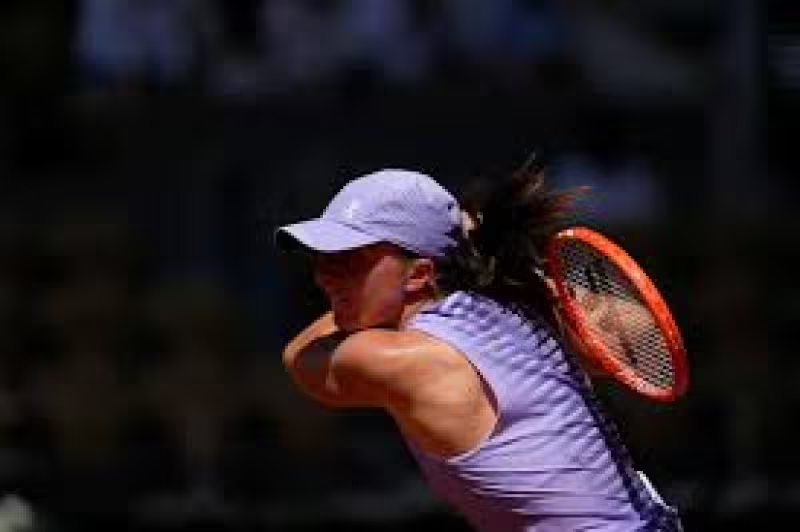
Temperatures climbed to 91.4 degrees on Day 2 at Roland Garros and stayed there into the evening as No. 15 seed Casper Ruud survived a five-set war — he led two sets to none, served for the match, lost the next two and finally closed it out against Roman Safiullin.
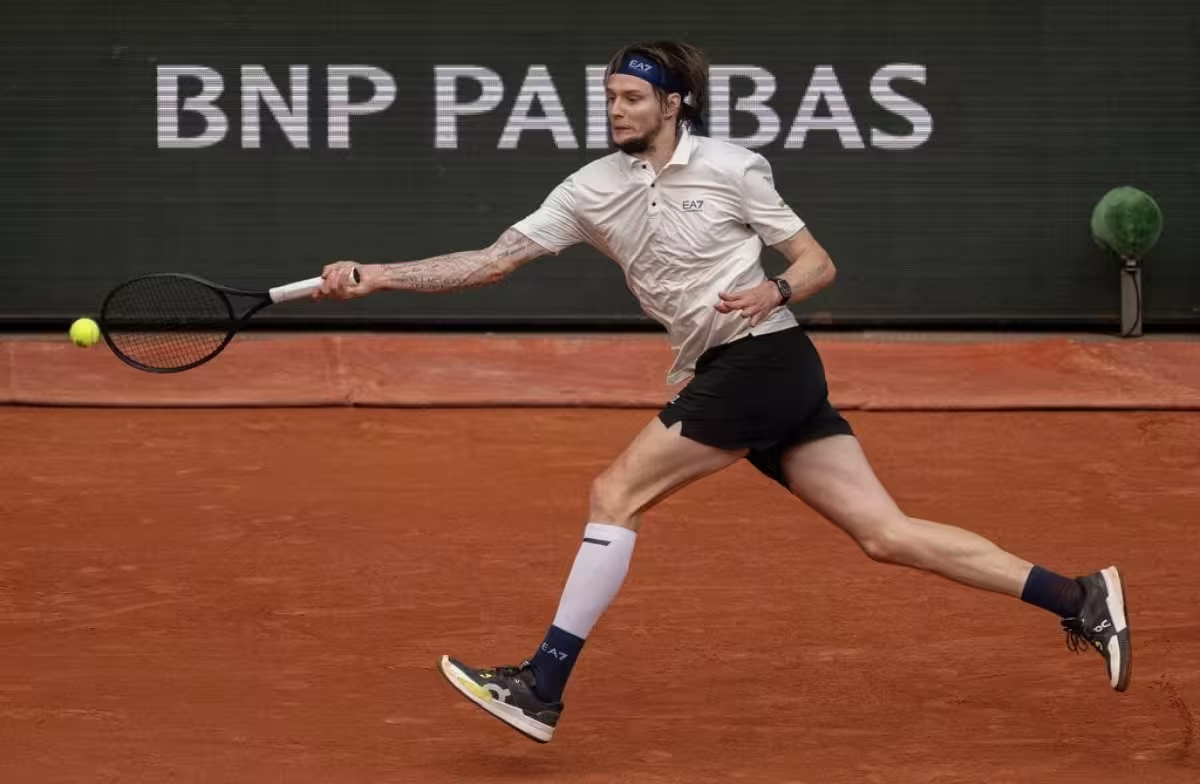
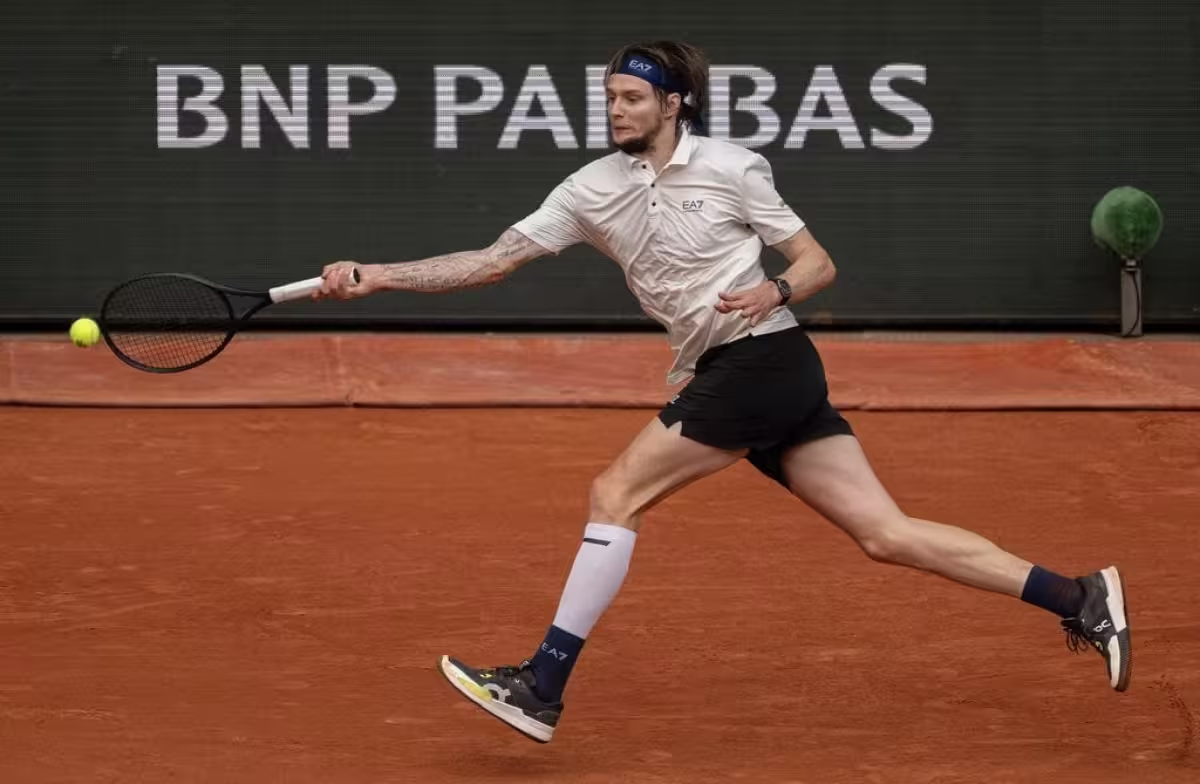
The heat was not a background detail. Players wrapped ice bags around necks during changeovers and queues for water and sprinklers lengthened as crowds shuffled through the stands. Fans checking roland garros scores watched matches stretch on: Ruud’s recovery after a brutal back-and-forth stood out, Ben Shelton advanced in straight sets, and No. 11 seed Andrey Rublev won his match while a ballkid needed assistance after feeling dazed at the end of a point.
Numbers underscored the strain. Officials recorded 91.4 degrees and the new digital boards above walkways — installed to tell fans how full courts are in real time — showed some courts approaching 98 percent capacity, leaving little room for people to spread out during heat spikes. On-court scenes were stark: players chilling with ice, medical staff attending a shaken ballkid, and seedings tested by physical attrition rather than form alone.
On a practical level, the heat changes how the ball behaves. Tournament staff and players noted that higher temperatures can lower air density and make balls travel faster and bounce higher, a shift that alters rhythm and lengthens rallies on clay. That dynamic was on display in Ruud’s match: after two sets of control, the momentum swung when Safiullin pushed him into extended exchanges, then flagged physically in the fifth as Ruud recovered quickest.
The strain showed off-court, too. Organizers tried to ease congestion with sprinklers and water stations and introduced the walkways’ digital occupancy displays so fans could pick emptier courts — a small adaptation that mattered when seats and shaded aisles filled quickly in the late afternoon. Local staff described the situation from both sides: one volunteer said it felt worse for players than fans, and a coach noted the hot conditions were hardly ideal for sustaining a tennis life.
Tension threaded every result. Ruud’s match carried the textbook contradiction of modern Grand Slam play: a player can dominate early, lose the thread, and still win if he recovers physically and mentally quicker than his opponent. Rublev’s victory came with an unsettling afterimage — a ballkid helped off the court after a point — a reminder that in extreme heat the tournament’s human logistics are as tested as its scheduling. Meanwhile, young seeds like Ben Shelton moved through in straight sets, suggesting that for some the conditions sharpened focus rather than fray it.
By evening the picture was clear. Heat had become a variable that would shape matchups more than seedings alone; quick recovery, hydration strategy and the ability to control points in altered ball flight would decide who advanced. Casper Ruud’s late composure — rallying after ceding two sets and sealing a five-set win while his opponent struggled physically — demonstrated the practical advantage of being quickest to recover.
If Day 2 proved anything, it’s that the tournament won’t be decided on rankings this week but on who copes best with the heat and the grind. Players who treat recovery as part of their game plan will go further; Ruud’s finish suggests he’s one of them, and that will matter as the draw tightens and roland garros scores continue to update under relentless afternoon sun.