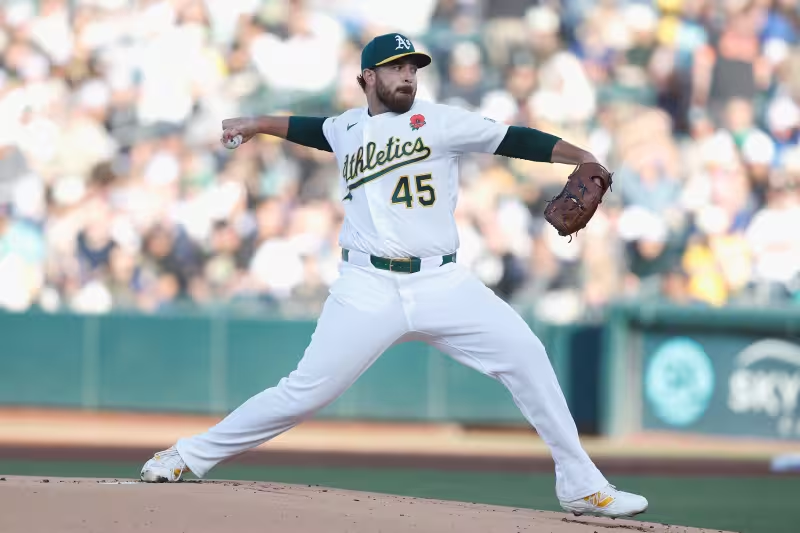
Luis Castillo and Bryce Miller combined to pitch all nine innings as the Mariners beat the Athletics 9-2 in the series opener in June 2026.
Seattle did not use its bullpen; Castillo and Miller worked the full game between them, allowing a total of two runs and striking out 10 while issuing two walks. Both walks were charged to Castillo, and both of the runs allowed were charged to Miller.
The game swung decisively in the third inning, when the Mariners scored six runs against starter Aaron Civale. Josh Naylor drove in a run during that rally and Luke Raley delivered a third-inning home run as Seattle built a 6-0 lead in one inning that set the tone for the rest of the night.
Across the nine innings Castillo and Miller collected 10 strikeouts and surrendered just two walks. The combined effort kept the Athletics off balance and left the Mariners with a comfortable margin; by the time the mariners score reached 9-2 the club had not needed a single reliever.
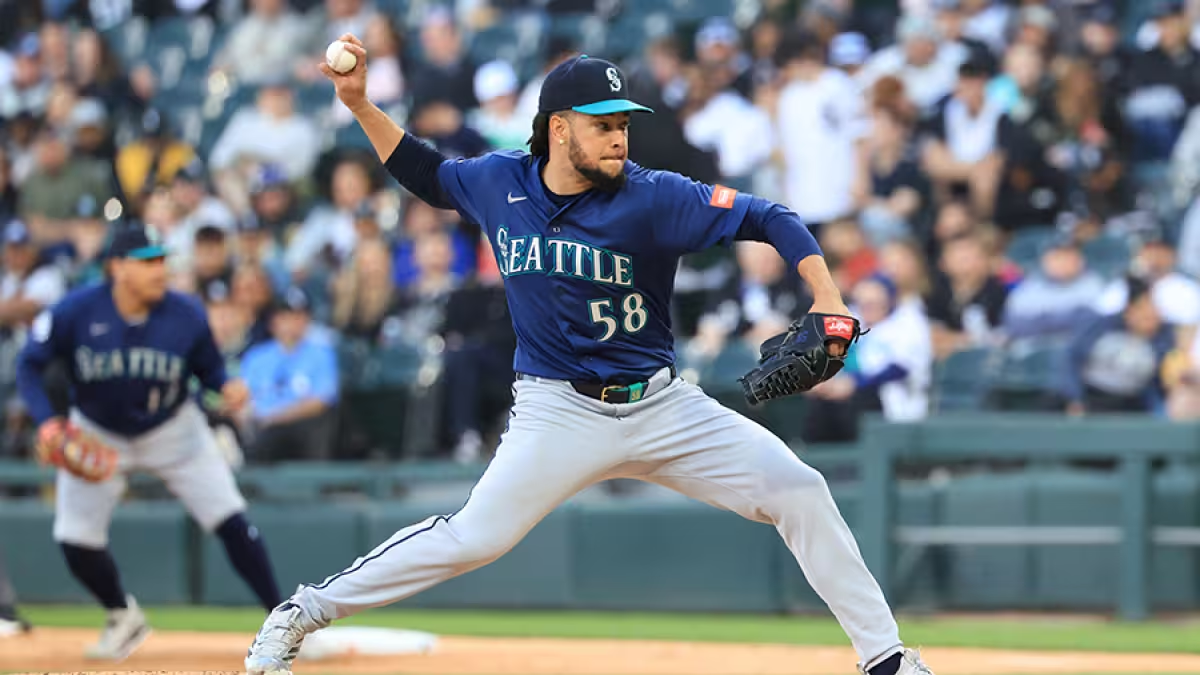
The usage pattern was described by club commentary as a piggyback situation for Castillo and Miller. That alignment — two starters dividing a single game — produced a clean box score on Saturday: nine innings completed without touching the bullpen, a modest two runs allowed and a decisive offensive burst in one frame. Yet the arrangement was also called uncomfortable and still being adjusted, underscoring that the line between an efficient tandem and an awkward experiment can be thin.
Statistically the outing delivered clear returns. The Mariners combined for 10 strikeouts against the Athletics while limiting baserunners via only two free passes, both charged to Castillo. Miller absorbed the two runs on the board and finished the night taking responsibility on the scoreboard for the runs that blemished the team line.
The Mariners’ scoring outburst in the third featured a mix of power and timely contact: an RBI single by Naylor and a homer from Raley turned a scoreless game into a multi-run inning that the Athletics never recovered from. The six-run inning against Civale changed the complexion of the game in one half-hour and allowed Seattle to ride its tandem pitching plan without pressure on the relievers.
The tension now is not whether the strategy can win a single game — it did, and soundly — but whether the piggyback will hold up as a reliable template. The pairing produced an efficient night with the bullpen untouched, but the club’s own notes acknowledged the approach remains uncomfortable and subject to adjustment. How the Mariners manage workload, charge stats between the two starters and preserve long-term effectiveness will matter far more than a single scoreline.
What happens next is the question that follows this victory: can the Mariners refine the Castillo–Miller piggyback so it consistently delivers deep outings without wearing either arm down or creating awkward statistical assignments? Saturday showed a blueprint that can work — nine innings from two pitchers, the bullpen spared, and a third-inning eruption that decided the game — but the arrangement must move from workable to sustainable if it is to become more than a one-night solution.