
Cole Smith tipped Dylan Coghlan's shot from the slot to make it 2-0 in the third period of Western Conference Final Game 4, a play captured in a highlight on NHL.com that landed in Colorado at Vegas.
The Golden Knights had taken the lead earlier in the game on a breakaway, and Smith's redirected shot turned a one-goal edge into a two-goal cushion at a critical juncture of WCF Gm 4.
The numbers are stark: 2-0, third period, Game 4. Those three facts alone explain why the single highlight matters beyond a replay feed — it represents a potential swing in momentum in a series that now has its balance visibly altered as teams head into the next matchup.
That highlight, the primary source for this action, shows the specifics everyone will study: Coghlan's play from the slot, Smith getting his stick to the puck, and the puck ending up behind a goalie who had already ceded a breakaway earlier. The clip is simple and decisive, which is why NHL.com placed it front and center after the game.


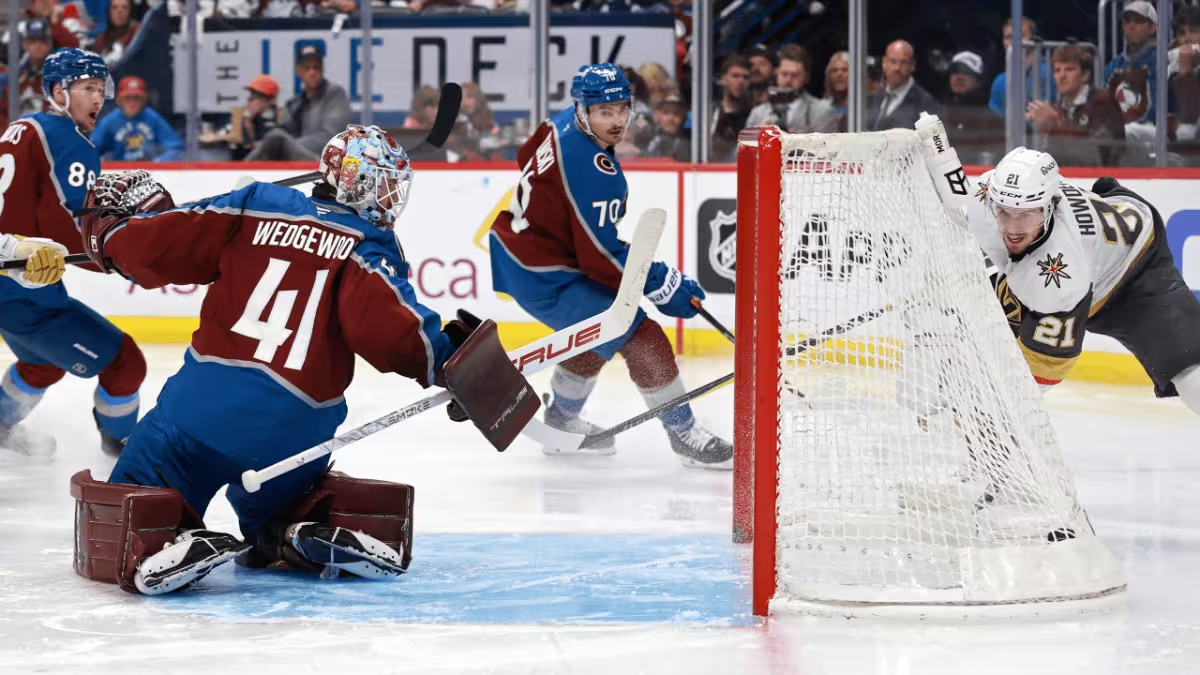
Context matters here because Game 4 sits deep enough in a conference final that each goal carries outsized consequence. A two-goal lead in the third period is not merely a stat; it changes coaching choices, matchup deployments and the urgency of responses from the trailing team. For fans tracking the stanley cup finals schedule, the result of this game is part of the arithmetic that will decide when and how the final series begins.
The tension in the picture is plain. The Golden Knights scored on a breakaway to take the lead earlier, which suggested the game might tilt in one direction, but the tip by Smith added a second layer. A one-goal game invites different risks than a two-goal game in the final frame. That split — one goal versus two — is where strategy and luck collide, and where a single highlight can be read multiple ways: as confirmation of control or as a temporary comfort that demands vigilance.
For Colorado, the visual of conceding a redirected shot after already giving up a breakaway raises immediate questions about defensive structure and recovery. For the Golden Knights, the highlight is evidence of opportunism: they turned a chance into a lead and then stripped the comeback narrative of some of its urgency with Smith's finish. The clip on NHL.com does not answer which reading is correct, it simply records what happened — 2-0 in the third period of WCF Gm 4.
Where this really matters is what comes next. The Western Conference Final is still in progress; every game moves the calendar. How long the Avalanche and Golden Knights extend, or whether one side closes the series quickly, will be the practical factor that determines precise changes to the stanley cup finals schedule. That outcome is not contained in a highlight but is the direct consequence of a string of moments like the one Smith created.
The single most consequential unanswered question after that play is this: will the team that converted the breakaway and Smith’s tip convert that late-game advantage into a series-clinching run, or will the trailing club use the urgency of a deficit to force more games and push the entire postseason timeline later? The answer will decide not only which team advances but also the exact routing and timing that fans, broadcasters and arenas will set around the stanley cup finals schedule.