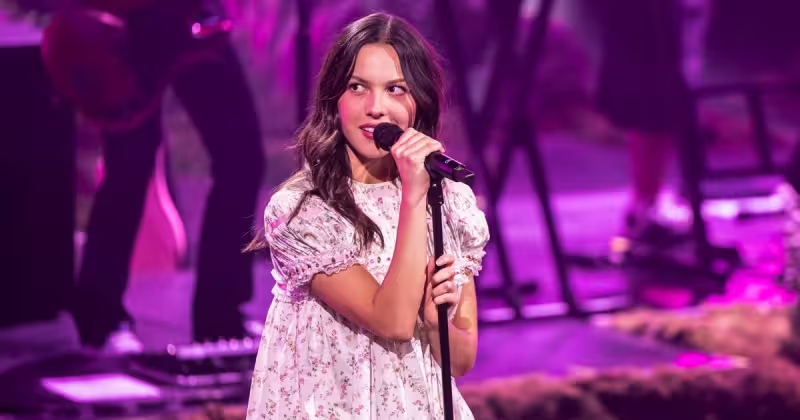
Olivia Rodrigo pushed back Wednesday against criticism over a babydoll dress she wore while debuting her new single “Drop Dead,” saying the reaction had left her upset and exposed a deeper cultural problem. Speaking in a clip from a New York Times podcast episode, the 23-year-old said, “That’s been making me so upset.”
Rodrigo described the outfit — a small pink floral babydoll dress with puffed sleeves and matching bloomers she wore at Teatre Grec in Barcelona for Spotify’s Billions Club Live series — as neither revealing nor intended to be “sexy.” “That’s fun. I felt cool and comfortable in that,” she said, later adding, “I didn’t think that I looked sexy in that at all.”
The size of the reaction gave the story weight: Rodrigo is not a fringe artist. She has nine tracks that have surpassed 1 billion streams on Spotify and is promoting an album, You Seem Pretty Sad for a Girl So in Love, set for release on June 12. The single “Drop Dead” was first teased in April during Addison Rae’s Coachella set and later performed at an open mic night at Pete’s Candy Store in New York City before the Barcelona appearance.
Rodrigo said the criticism felt inconsistent and, more troublingly, symptomatic. She pointed out that she had been onstage in a sparkly bra and little shorts without drawing the same accusations, and that the babydoll dress was attacked because some called it “childlike.” “It just shows how we really normalize pedophilia in our culture,” she said, linking the online backlash to broader cultural blind spots about sexualization.
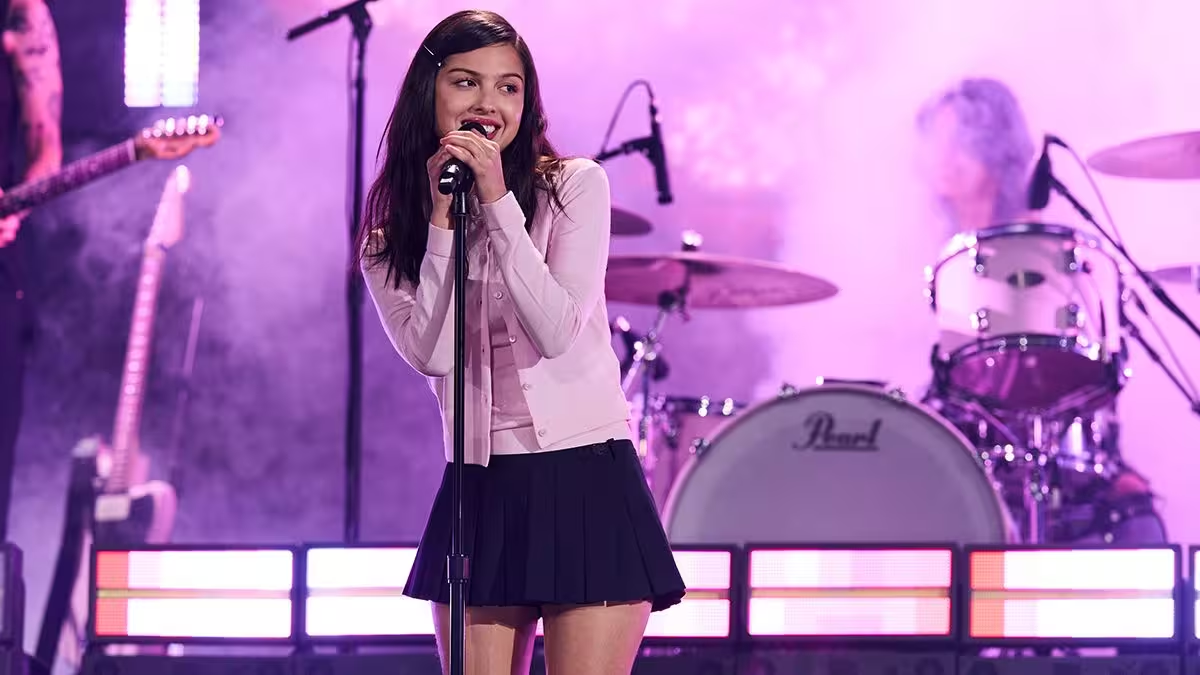
The contrast is the heart of the tension. Some internet commenters accused Rodrigo of sexualizing herself and promoting “pedo core” by wearing a covered-up, vintage-inspired babydoll silhouette. Rodrigo rejected that framing, saying she had no intention of looking “sexy” and that it was wrong to make her, or any woman, responsible for how a man might interpret her clothing. “You shouldn’t be responsible for some guy sexualizing you in a way that was never your intention,” she said.
She framed her choices as part of a lineage of artists and influences. Citing Kathleen Hanna and Courtney Love as style inspirations and pointing to punk and rock aesthetics, Rodrigo said she was drawing from musicians who have long used youthful, subversive looks in performance. “If we start dressing in a way that’s driven by fear of how someone else might interpret it, I think we’re losing the plot,” she said.
Rodrigo also described a protective impulse: “I’m just very protective of younger women and girls, and I don’t ever want them to be fed that rhetoric.” The performer wore a blue babydoll dress in the “Drop Dead” music video and a pink flouncy dress for the album’s cover, choices that became part of the online argument over intent and interpretation.
For now, Rodrigo’s message is plain and resolute. She said the backlash has upset her, but she tied that upset to a conclusion about public conversation and responsibility: critics who read a covered-up, vintage-inspired dress as sexualized are reflecting a cultural problem, not a problem with her wardrobe. Given her insistence that she felt “cool and comfortable” and her stated inspirations, the evidence in her remarks points to one clear outcome — Rodrigo will press on with the aesthetic and the promotional work for her June 12 album rather than let the criticism reshape how she presents herself onstage.