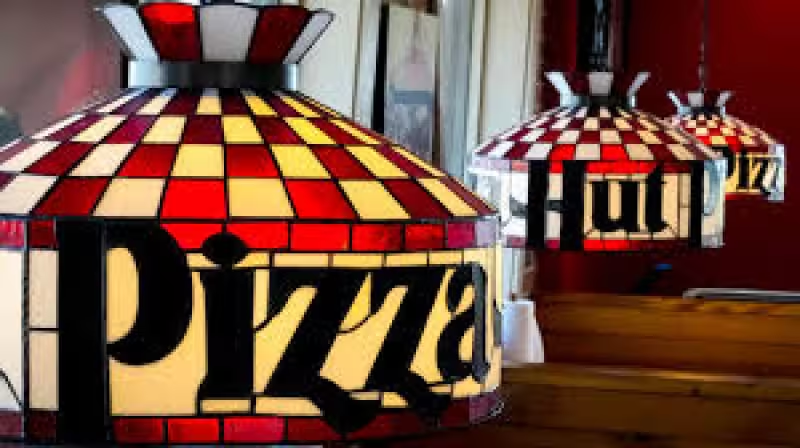
Daland Corporation has restored the 1980s‑ and 1990s‑style Pizza Hut dining room at 38 of its 93 Pizza Hut franchises, bringing back red cups, salad bars, checkerboard tables and Tiffany‑style stained‑glass lamps to dozens of stores across the country.
Tim Sparks, who runs the Daland franchise group, said he has pushed for the change for years: "I have been wanting Pizza Hut to return to its former glory for years."
The scale of the move is concrete: 38 locations have been retrofitted with the Pizza Hut Classic remodel, and each site includes promotional materials for the Book It! program, the chain’s childhood reading incentive that was established in 1984 and remains active. Sparks framed the effort as part restoration and part family invitation, saying, "It's a good time to start having dinner together," and describing the reaction as unmistakable: "Everybody gets super excited."
Those numbers matter because, despite Pizza Hut’s global breadth—more than 16,000 Pizza Huts in more than 100 countries—until recently only a handful of restaurants still wore the brand’s old dining‑room look. The Pizza Hut Classic initiative explicitly taps that long‑held visual memory, returning fixtures and promotional touches that diners associate with the chain’s heyday.
For Sparks the project is equal parts marketing and cultural salvage. "[The Pizza Hut] brand is kind of iconic to the country," he said, and he pointed to the modern resonance of the Book It! program as a natural anchor for the remodels. The program, launched in 1984, appears inside the updated restaurants alongside the familiar lamps, checkerboard tables and salad bars, tying the visual throwback to a childhood ritual that still exists today.
The public response has been immediate. Sparks said content from bloggers who visited a Pizza Hut Classic and posted video and photos "has gone viral," and he added plainly: "There's a lot of feel-good to it for sure." That viral attention has amplified local foot traffic and social conversation in ways that traditional advertising would not, he said, and it gives the retro rooms a second life on social platforms where nostalgia performs well.
Still, the restorations reveal a tension at the heart of a huge, modern chain: Pizza Hut was founded in Kansas in 1958 by brothers Dan and Frank Carney after borrowing $600 from their mother, and the brand has since expanded worldwide, yet the classic dine‑in look survived in only a few outposts until this deliberate reversal. Daland’s decision to retrofit roughly 40 percent of its own portfolio — 38 of 93 restaurants — highlights that the classic aesthetic had become rare even as the company grew into a multinational footprint.
That gap—between an iconic, domestically familiar dining room and the current, largely delivery‑oriented pizza market—is precisely what Daland and Sparks are testing. The remodels reintroduce tactile, in‑restaurant cues that prompt families to sit down, order, and take photos. Sparks said the renovations have received "a very positive reception" from customers, and he framed the return as both emotional and practical: nostalgia draws attention; Book It! gives families a reason to bring children back through the door.
For now, the answer to whether Pizza Hut’s classic dining rooms can still matter is visible in those 38 restaurants: the rooms are back, diners are responding, and social media is amplifying the effect. If the positive reception Sparks describes holds, these pizza hut classic locations are likely to be more than museum pieces—they are a working experiment in turning a brand’s past into a driver of present business.