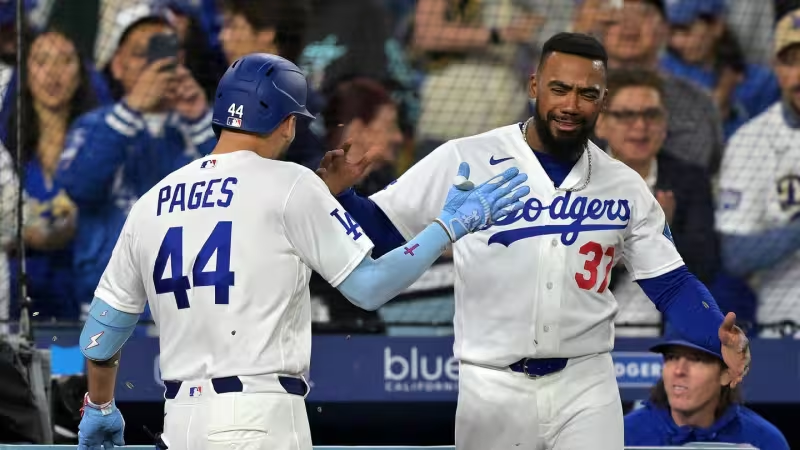
Teoscar Hernández turned a clubhouse joke into a headline this week when he pointed to Andy Pages and said, “It’s getting better,” about Pages’ work — and added flatly, “He’s going to have my job when I’m not here.” Hernández was talking about the tiny ritual of throwing sunflower seeds after a teammate hits a home run; the remark landed because it came from a veteran who has been producing at the plate while watching a younger outfielder surge.
The numbers make the exchange more than a quip. Hernández has hit.276 with seven home runs and 31 RBIs in 47 games, carrying a.796 OPS; he has been hotter lately, batting.358 with three home runs, 14 RBIs and a 1.030 OPS over his last 15 games. Pages, meanwhile, has hit.283 with 10 home runs and 43 RBIs in 52 games and been given credit as being in the midst of a full breakout year — emerging as one of the most dynamic players in the Dodgers offense over the first 50 games of the season. Pages’ defensive plays have drawn attention as well; one recent highlight that turned an inning was referenced here:
Put plainly: over the last year Hernández and Pages have both helped the Dodgers as outfielders, and both have delivered above-average production. That dual output gives the club options but also creates an obvious internal cross-current. Hernández’s casual prediction about seed duty became a shorthand for a larger, quieter handoff unfolding on the roster: a veteran still contributing at a high level while a younger player asserts himself as a central offensive option.
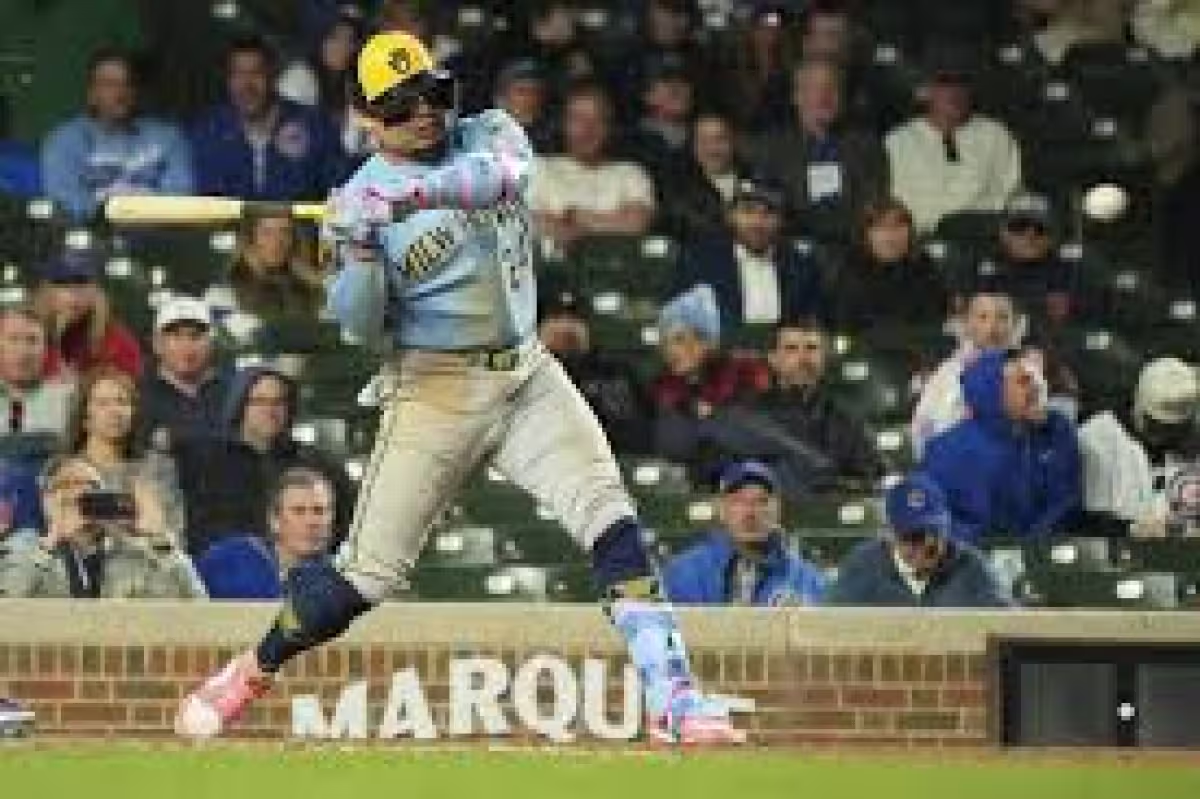
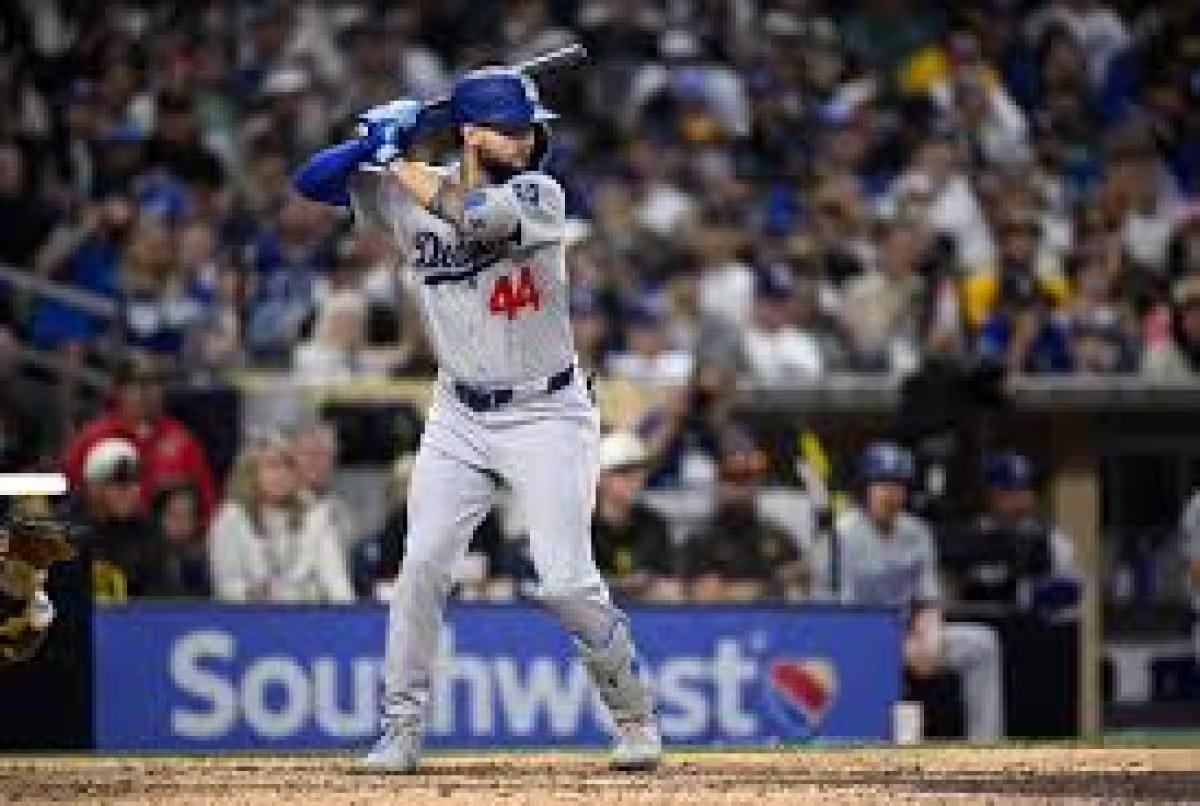
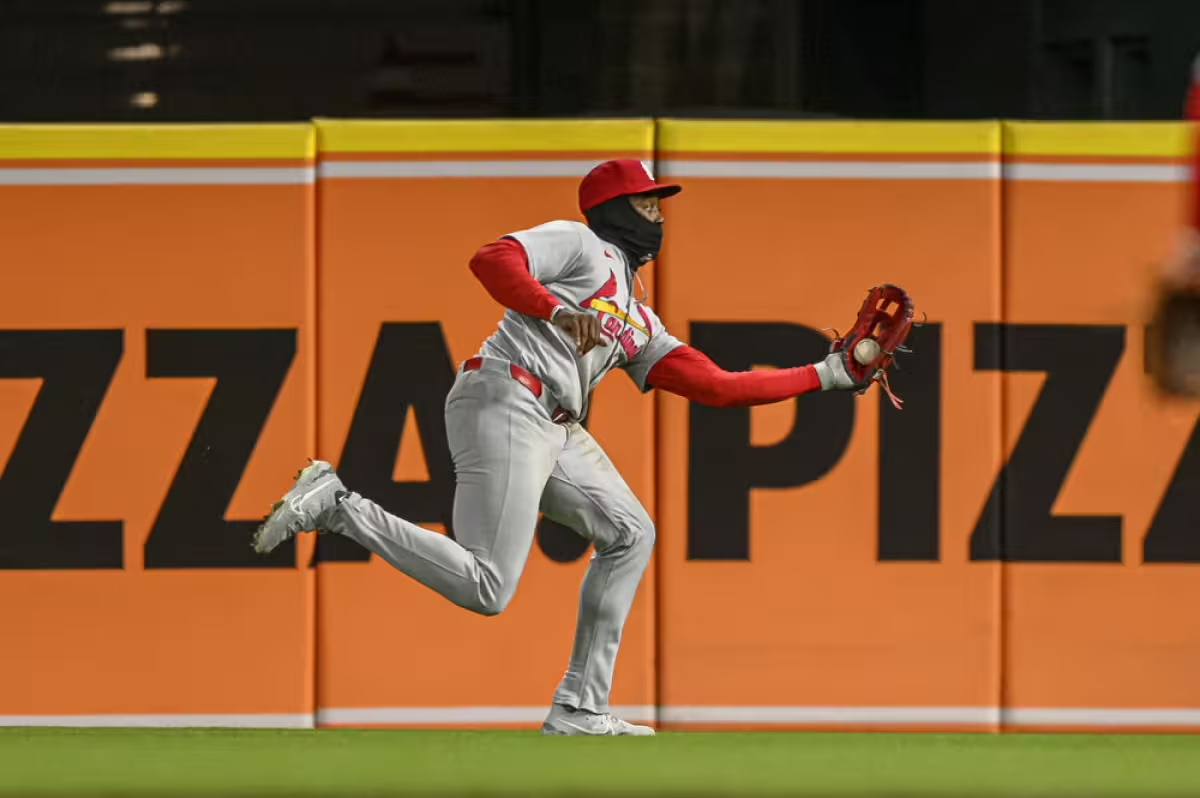
The context makes that handoff notable. The Dodgers have won three World Series titles in the last six seasons, and their model has long depended on depth — role players who can push the club forward when called upon. In that frame, Hernández and Pages read as two such contributors who, by numbers and timing, are doing more than fill roles: they are producing the kind of counting stats and averages that matter in tight games. Pages’ emergence as one of the main leaders in both categories over the first 50 games has shifted expectations about who will deliver on any given night.
The tension is simple and immediate. Hernández’s recent surge — a.358 batting average, three homers, 14 RBIs and a 1.030 OPS across 15 games — argues that he remains a potent bat and a ready hand for everyday needs. Pages’ broader breakout —.283, 10 home runs, 43 RBIs in 52 games and described as one of the most dynamic players in the offense — argues that the club has a new, reliable source of runs at its disposal. Both facts are true simultaneously; both players have helped the Dodgers in the last year. That truth complicates any tidy narrative about succession or replacement.
What happens next is more a matter of usage than of immediate personnel change. The data on both men suggests the Dodgers are not trading one reliable option for another; they have two. Pages’ rise makes him a clear candidate to take on more of the offensive burden night after night. Hernández’s hot finish over his last 15 games means he is not ready to cede meaningful playing time without continued proof. The result is a productive overlap that leaves the team richer on offense and forces the coaching staff to find ways to keep both bats active.
Hernández framed that overlap with a laughable image — the sunflower-seed duty — and then returned to a straightforward conclusion: “He’s going to have my job when I’m not here.” The remark is small, human and revealing. It signals a changing of routines as much as a changing of roles: Pages’ breakout is real, Hernández’s bat remains dangerous, and the Dodgers now carry two outfielders whose production the lineup can ill afford to lose.