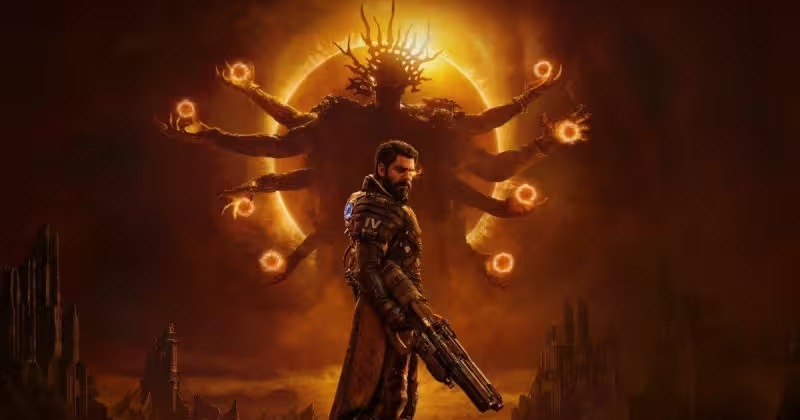
A reader who pre-ordered Saros told the new Housemarque game is “worse in just about every way than Returnal,” and the reaction has landed as the game posts a modest commercial start. The reader wrote that they had been looking forward to saros as a spiritual successor to Returnal but left disappointed.
The criticism is specific. “Returnal is the best exclusive on PlayStation 5,” the reader wrote, and while they conceded saros is similar — “it’s in every other way” — they added: “I wouldn’t necessarily say it was better in any way.” The reader praised the visuals, calling graphics “good, especially the underground area,” and called the shield mechanic “an interesting addition, but it seems a bit underused a lot of the time.” Still, the reader concluded: “the rest of the game is a major step down.”
Those words arrive as the numbers trickle in. Circana placed saros ninth in April 2026 US sales after roughly three days on the market following its April 30, 2026 launch. The ranking was revenue-based; the game launched at $70. Alinea Analytics estimated saros at around 300,000 worldwide sales in its opening period, and a supplementary report noted it sold slower than Returnal despite launching on a larger PlayStation 5 install base than Returnal had at its start.
Context matters. The reader frames Returnal as the standard saros is being compared against, calling it “the best exclusive on PlayStation 5.” Housemarque’s new title was marketed as a PS5 exclusive and a direct spiritual successor to Returnal, and early public reaction has hinged on how closely the two games resemble each other. The reader repeatedly pinned saros’s problems to a flattening of mystery and difficulty: “The most obvious problem is the story and characters, which are far too straightforward, compared to Returnal,” they wrote. “What’s going on is never really a question.”
The tension in the reader’s piece is a familiar one for sequels and successors: polish versus strangeness. Where Returnal leaned toward surreal, borderline survival-horror design and unpredictable world changes, the reader says saros is more literal. They described the mystery as “very obvious,” the player as “mostly a generic tough guy looking for his wife,” and the Lovecraftian influence as “more on the nose than Returnal’s.” World design was another gripe: “most of Saros is the same dull grey world and ruins everywhere,” the reader wrote, even while noting the underground areas look particularly strong.
The reader also suggested design choices tied to accessibility hurt the game’s identity. They argued that “making the story more obvious and straightforward seemed tied to making the game more accessible,” and that “making the game more mainstream” may have contributed to saros failing to capture the strange, repeating-world tension that defined Returnal. The reader allowed Saros wasn’t a outright failure: “Saros isn’t a disaster or anything like that, but it is a disappointment.” They added that Saros “got overshadowed by Pragmata.”
What happens next is straightforward: early fan judgment and a short first-week sales snapshot are unlikely to be the final word, but they set a baseline. With a debut that produced a ninth-place revenue ranking in the US after roughly three days and an industry estimate near 300,000 worldwide openings, saros has opened behind the pace of Returnal. Housemarque faces a choice common to studios following a beloved hit: stick with the experimental elements that won critical fans, or continue refining a more accessible formula that might reach broader players but risks alienating the core audience.
On balance, and based on the only verifiable early record—the reader’s detailed dismay and the initial sales measures—saros has not yet lived up to the expectations set by Returnal among at least some early adopters. The reader’s verdict is clear: “It’s worse in just about every way than Returnal, except maybe the graphics,” and the sales figures so far reflect a quieter opening than fans had hoped for.