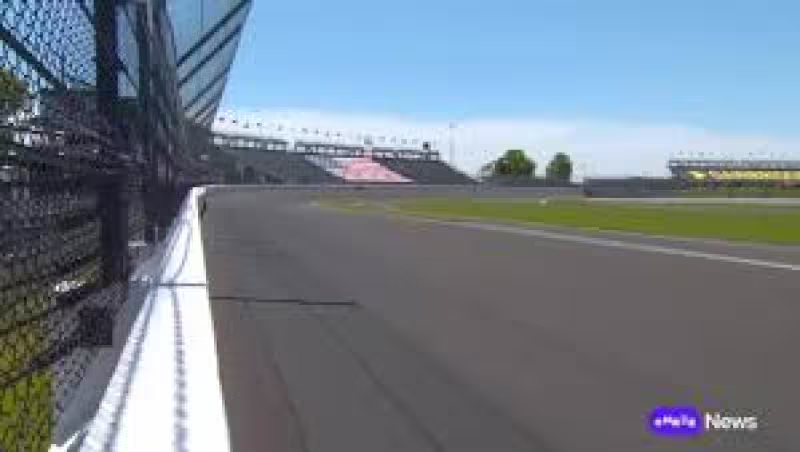
Scott McLaughlin crashed during the final pace laps of the 2025 Indianapolis 500 when his car snapped around without warning as he approached Turn 1 on the warm-up lap, careened toward the inside wall and slammed into it before the race began.
The impact destroyed the car and became one of the defining images of the day: more than seven million people watched the crash on television and roughly 350,000 saw it in person at the track. McLaughlin had been set to start 10th that year; the season before, in 2024, he had led 66 laps and finished sixth, marks that made the sudden ending to his 2025 attempt all the more painful. "It was absolutely the worst moment of my life," he said.
McLaughlin has replayed the sequence ever since. "To this day, I still have no idea what happened," he said, adding that the weather had been unusually chilly and that persistent drizzle had delayed the start before the field finally hit the track. He described the warm-up as routine: "I felt like I was just warming up my tires. It was a little aggressive on the tire warm-up, but the way it just went like that (snaps his fingers), it was tough."
The scale of the audience multiplied the humiliation. "The fact there was seven and a half million people watching that whole thing is what made it so hard," McLaughlin said. "I wouldn't wish that on my worst enemy," he added. He has said the crash left him stunned: "It was embarrassing, but there was also shock in there as well."
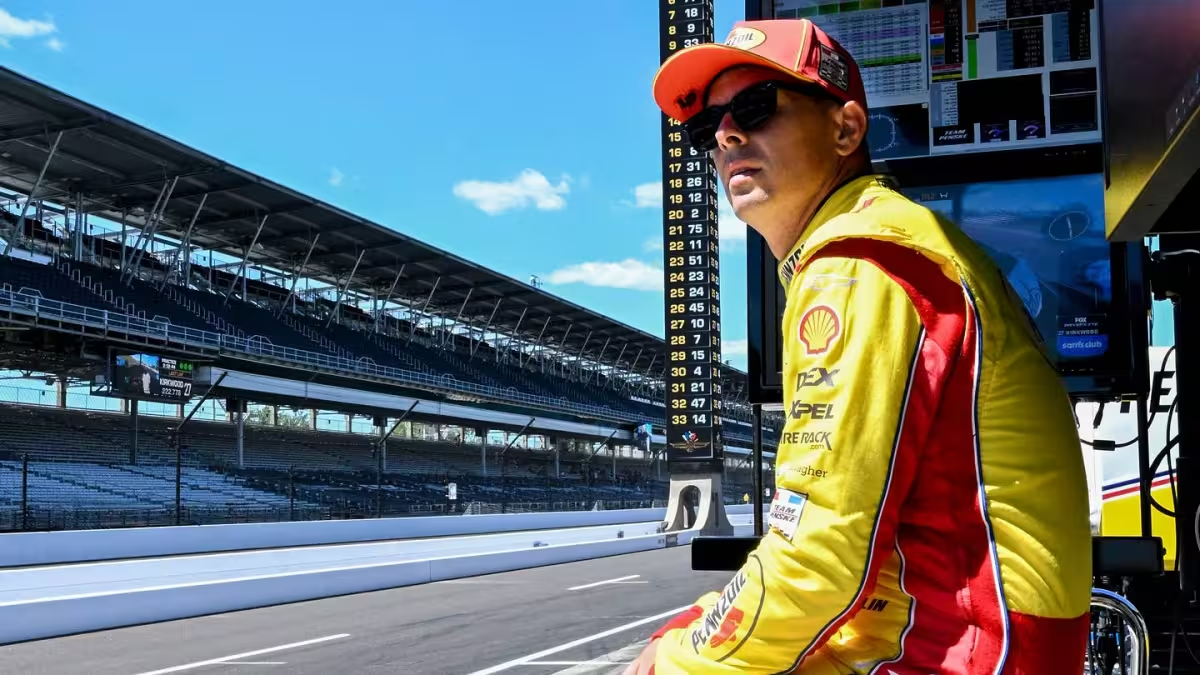
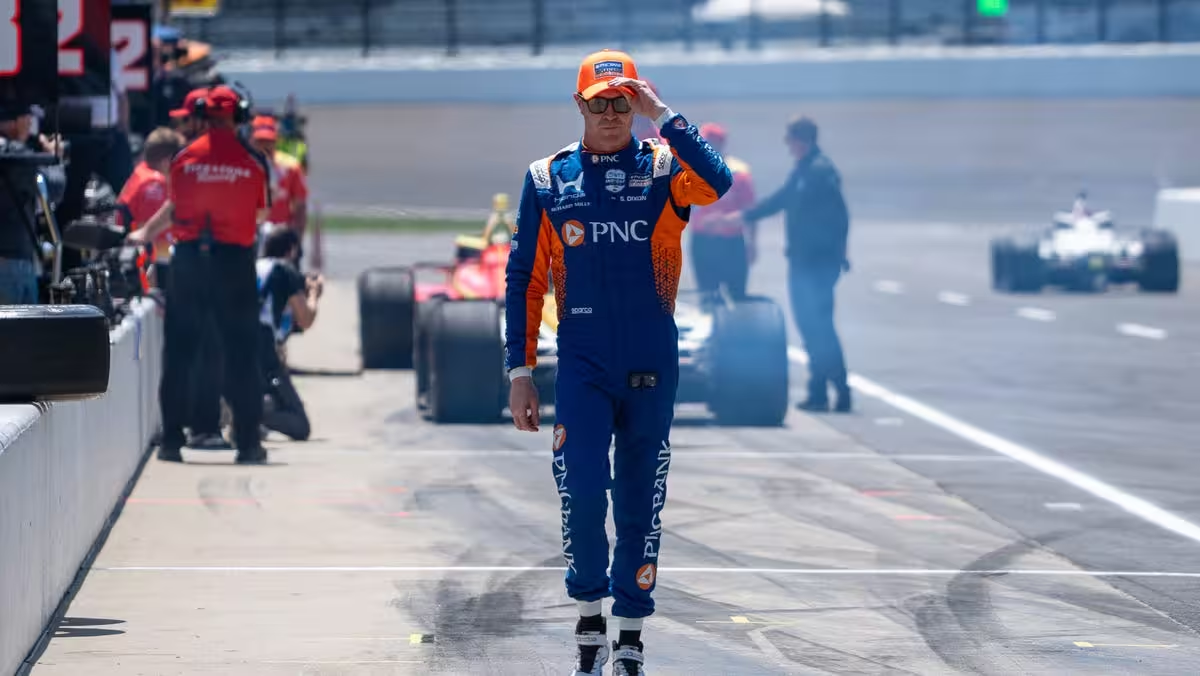
The crash was not just a moment for McLaughlin himself; it came after months of buildup — days of practice, sponsor appearances and promotion that make the Indianapolis 500 one of motorsport's most exposed stages. He says his first thoughts after the impact were not just for his own safety but for the brands, the person he drives for and "my crew in the pits." He recalled the private pressure that follows a public failure: "If you’re going to cry, you go into the trailer and you do it alone, because you need to be strong for your team." "That was the closest I got to not being strong for my team," he said.
There is a knot of friction in the story: the crash happened "without warning" on a slow warm-up lap even as McLaughlin insists he can’t explain why — and the chilly, damp conditions that day leave an unanswered mechanical and environmental question. He also returned to the same stage in 2026, a decision that forced him to confront the moment head-on while the footage and the memory remain in the public record. His teammate and close friend Ryan Blaney has been part of that circle of support, and the team mechanics and owners have had to move quickly from wreckage and reputational fallout back to preparation.
McLaughlin has framed the episode bluntly. "I wouldn't wish that on my worst enemy," he said again as he reflected on both the memory and the audience. He also confessed how the event carved a practical lesson into his career: "even when things feel great, it can go bad." FilmoGaz covered his return and the role of the team in getting him back into the car:
His comeback to the Indianapolis 500 in 2026 is the next chapter, and it will be measured not by the crash itself but by whether he can translate the recovery into on-track performance. McLaughlin's account remains straightforward: "To this day, I still have no idea what happened." That uncertainty is both the wound he has to heal and the test he chose to face by coming back to Indy.