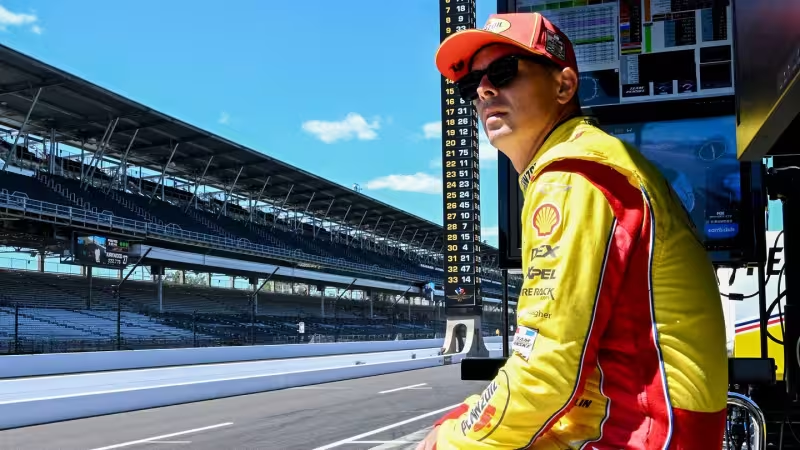
Scott McLaughlin’s bid to start the 2025 Indianapolis 500 ended before the green flag when his No. 3 Team Penske Chevrolet snapped around approaching Turn 1 on the warm-up lap and slammed into the inside wall during the final pace laps.
McLaughlin, who had been set to start 10th, described the crash as devastating. "It was absolutely the worst moment of my life," he said, and added, "To this day, I still have no idea what happened" after a lap he recalled only as feeling like he was "just warming up my tires."
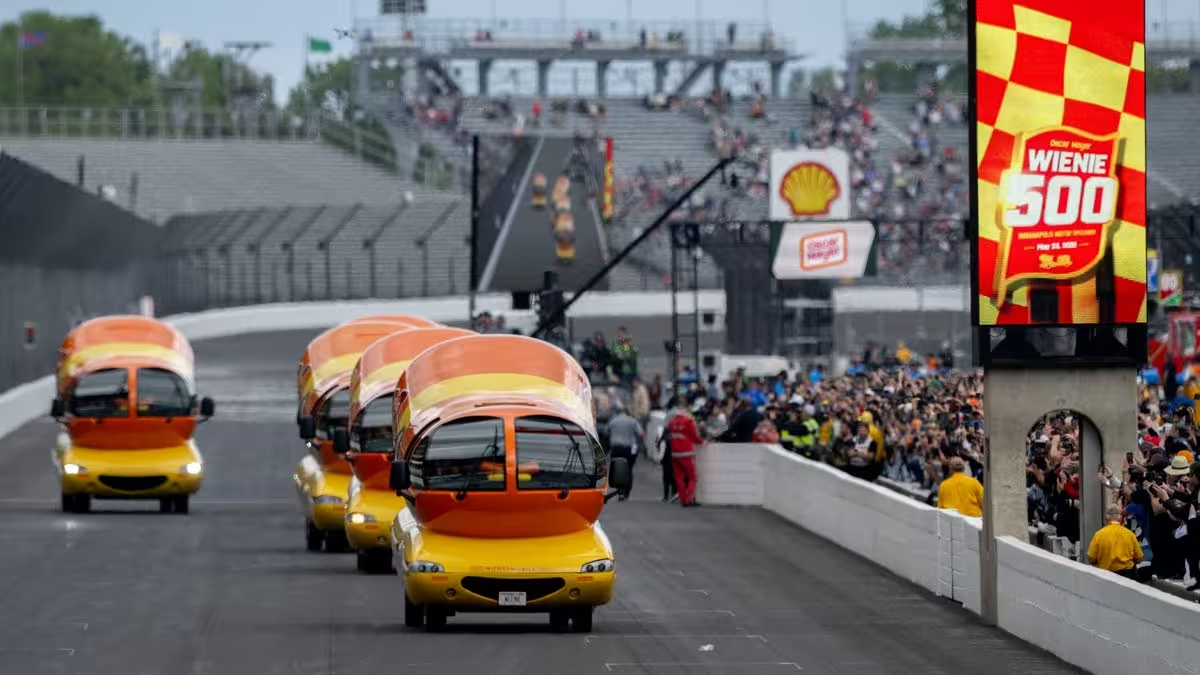
The crash erased one car from the field — a 33-car starting grid became 32 — and was seen live by the television audience: about 7.5 million people watched the incident, while roughly 350,000 fans were in person at the race after a delayed start caused by persistent drizzle on an unusually chilly day.
One year earlier McLaughlin had been a force at Indianapolis, having led 66 laps and finishing sixth in the 2024 Indianapolis 500. The contrast between that run and the warm-up lap crash underscored how abruptly a single moment can change a weekend that had been built over months of preparation, sponsor appearances and promotion.
McLaughlin spoke openly about how public the experience felt. "The fact there was seven and a half million people watching that whole thing is what made it so hard," he said, and described the scramble afterward to remain composed: "As much as I just wanted to roll into a ball and cry, I was trying to think about the brands who are on my suit, the person I drive for, the guys who are hurting back in the pits. …" He said that if he was going to cry, "you go into the trailer and you do it alone, because you need to be strong for your team."
The driver also leaned on perspective off the track, noting his family at home: he said he had a healthy baby girl and a great wife, and he received texts from around the world after the crash. Teammates and rivals noticed how quickly he began to move past the incident; Ryan Blaney said he was floored by that quickness.
Tension threaded through McLaughlin’s account. He repeatedly insisted he did not know what caused the car to snap and said the episode proved "even when things feel great, it can go bad." At the same time he insisted on gratitude: "Just appreciate the opportunity that I’ve got driving for one of the world’s best race teams, and coming here, it’s Roger’s house, and to be here, part of this team, is so special with the chance to win." He said he valued being part of roger penske's operation even amid the fallout.
The wreck turned a headline moment into a longer story about recovery and return. McLaughlin’s crash removed his chance to start from 10th and left fans, sponsors and his team to absorb an unexpected blow on a day that had already been stretched by weather and delay. One year later he returned to Indianapolis looking for redemption, carrying the memory of that warm-up lap while trying to move past it.
In the end, McLaughlin framed the episode not as a defining failure but as a reminder of how quickly fortune can change in motorsport and how drivers shoulder more than the steering wheel. "I wouldn’t wish that on my worst enemy," he said, and then returned to the task he had been hired to do: race for a team he called one of the world’s best and try to turn an awful day into a future victory.