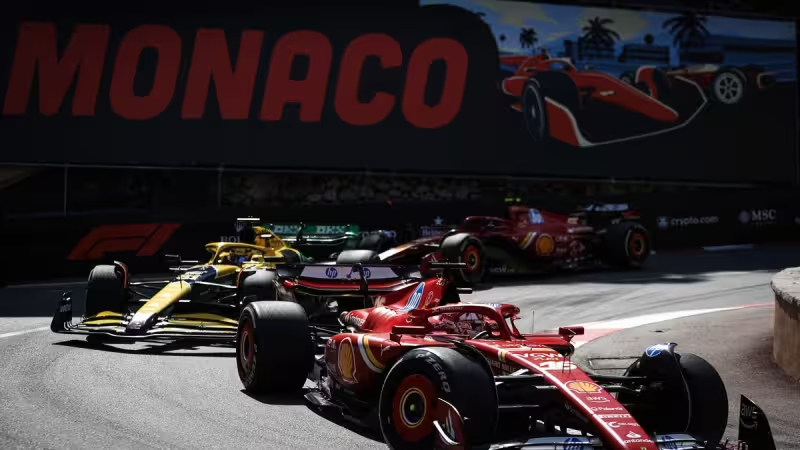
Lando Norris will be in Montréal on the Sunday of Memorial Day weekend in 2026, not on the streets of Monaco: Formula 1 will not race the Monaco Grand Prix on that weekend this year after the event was moved to June 5–7, 2026.
The timing matters because the Sunday of Memorial Day weekend is known as the "Greatest Day in Motorsport," a day that traditionally stitches together the Monaco Grand Prix, the Indy 500 and NASCAR's Coca-Cola 600. Formula 1 has expanded to a record 24 races on the 2026 calendar, and the FIA said the Monaco date change was meant to make "further improvements to the geographical flow of races" and create a "consolidated European leg." Under the new plan, the Monaco Grand Prix will flow into the Spanish and Austrian legs of the season instead of anchoring Memorial Day weekend.
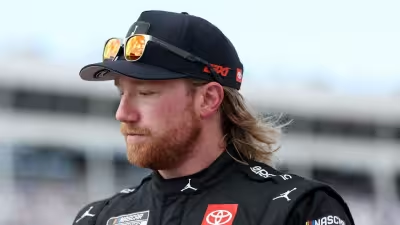
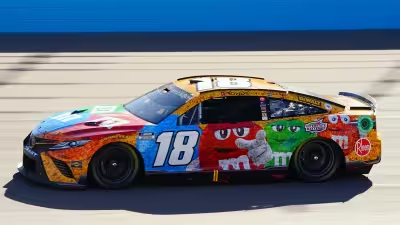
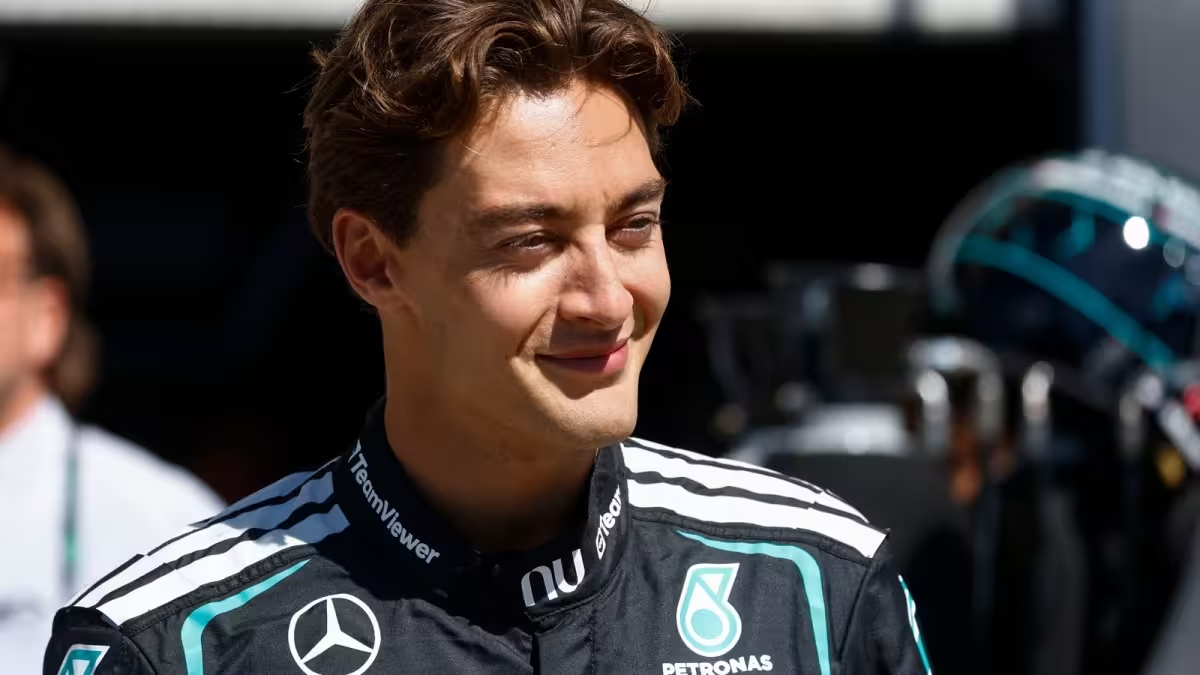
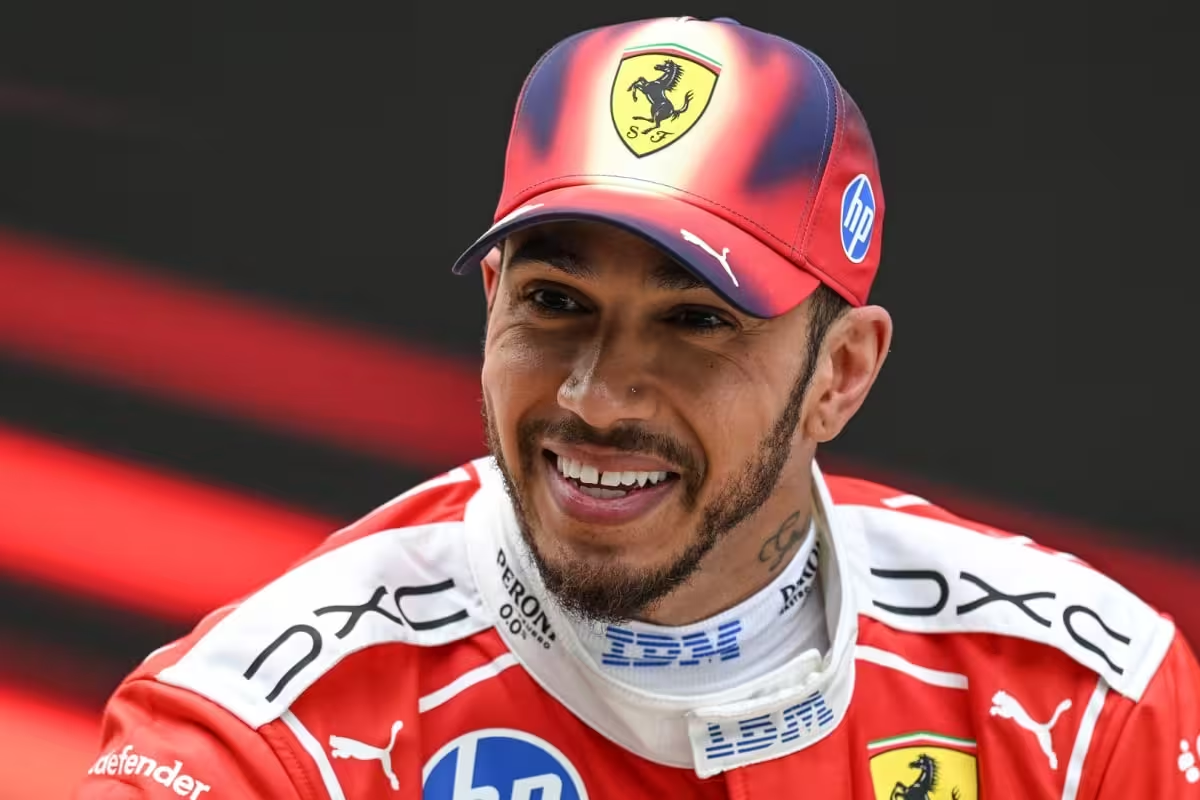
On the calendar shuffle's practical side, four of Formula 1's top drivers — Lando Norris, Kimi Antonelli, Max Verstappen and Lewis Hamilton — will compete in the Canadian Grand Prix in Montréal on the Sunday of Memorial Day weekend, leaving Monaco's slot empty for F1. Meanwhile, the Indy 500 will still take place on Memorial Day weekend, where Alex Palou will start on pole and attempt to defend his win from the previous year, and the NASCAR Coca-Cola 600 will still be raced. Katherine Legge is attempting to complete "The Double" by participating in both races on the same day.
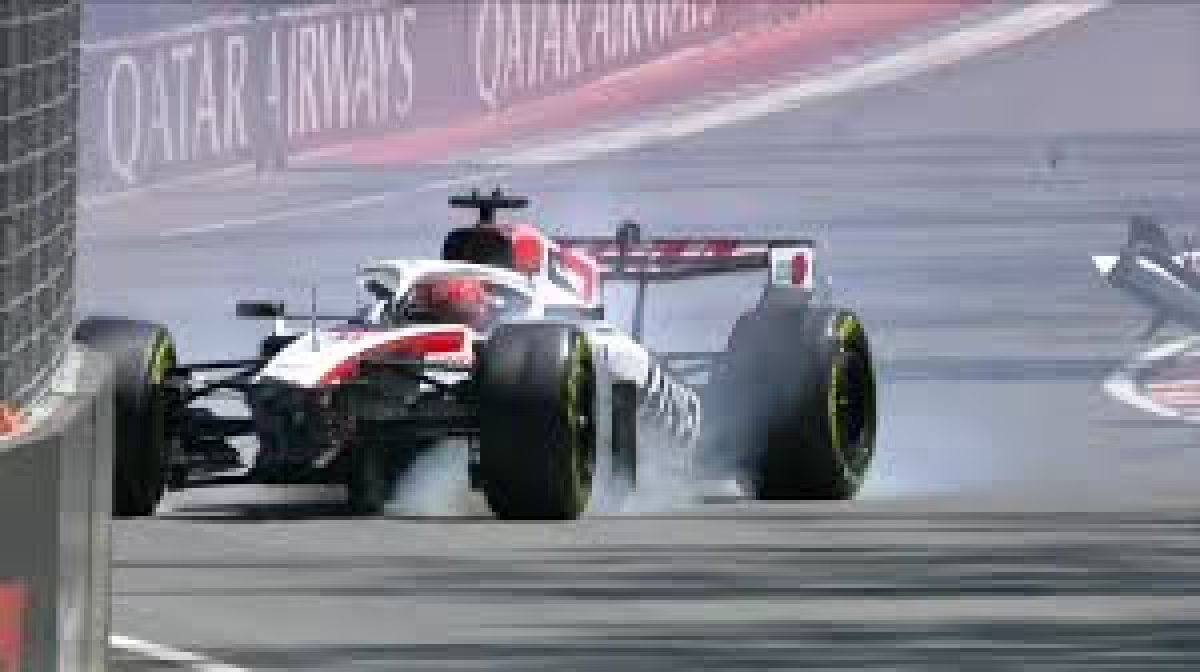
The change is a calendar-level trade: Monaco drops from its traditional spot to become a June event, June 5–7, and in return Formula 1 hopes to tighten the flow of European rounds within a season that now stretches to 24 races. The FIA framed the move as logistical and seasonal planning — "further improvements to the geographical flow of races" and a desire for a "consolidated European leg" — language the governing body used when announcing the 2026 schedule change in May.
The decision also reconnects to the peculiar history of Monaco itself. The 1982 Monaco Grand Prix, held on 23 May, became known as "the race nobody wanted to win" after a chaotic finish: Alain Prost had taken the lead from Keke Rosberg, who crashed out on lap 65, but light rain with three laps remaining set off a cascade of incidents. Prost crashed on lap 74 and handed the lead to Riccardo Patrese; Patrese then spun at the Loews hairpin and stalled. Didier Pironi took the lead, Andrea de Cesaris moved into second after Patrese stalled, Pironi ran out of fuel in the tunnel on the final lap, de Cesaris stopped at Casino Square on the final lap, and Derek Daly's gearbox seized just a few hundred metres from the finish line. Patrese eventually took the chequered flag and claimed his first Formula 1 victory, with Pironi and de Cesaris classified second and third respectively — the closing sequence produced four almost-five lead changes in the final three laps. As James Hunt put it at the time, "Well, we've got this ridiculous situation; we're all sitting by the start/finish line waiting for a winner to come past, and we don't seem to be getting one." The 1982 edition is often raised when the calendar or weather alters Monaco's rhythm.
The immediate consequence is simple and measurable: on Memorial Day weekend in 2026, the headline Formula 1 race will be the Canadian Grand Prix in Montréal, not the Monaco Grand Prix. The broader consequence is a contest over ritual and identity — Memorial Day weekend will still host the Indy 500 and the Coca-Cola 600, and competitors like Alex Palou and Katherine Legge will keep those traditions alive, but Formula 1 will not be part of the weekend's triple-act as it has been most years.
The single consequential question left by the change is whether moving Monaco to June 5–7 will transform the slot — and the meaning of the "Greatest Day in Motorsport" — or whether the race will retain its unique status even when it no longer sits opposite the Indy 500 and the Coca-Cola 600 on Memorial Day weekend.