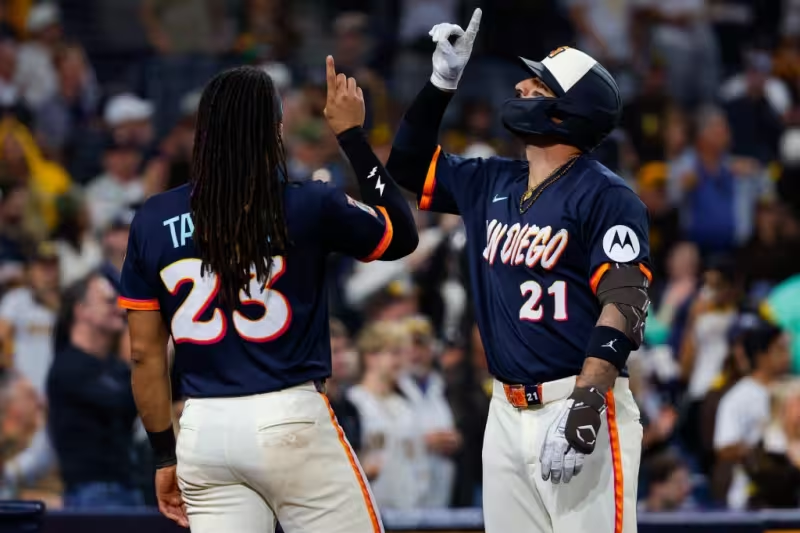
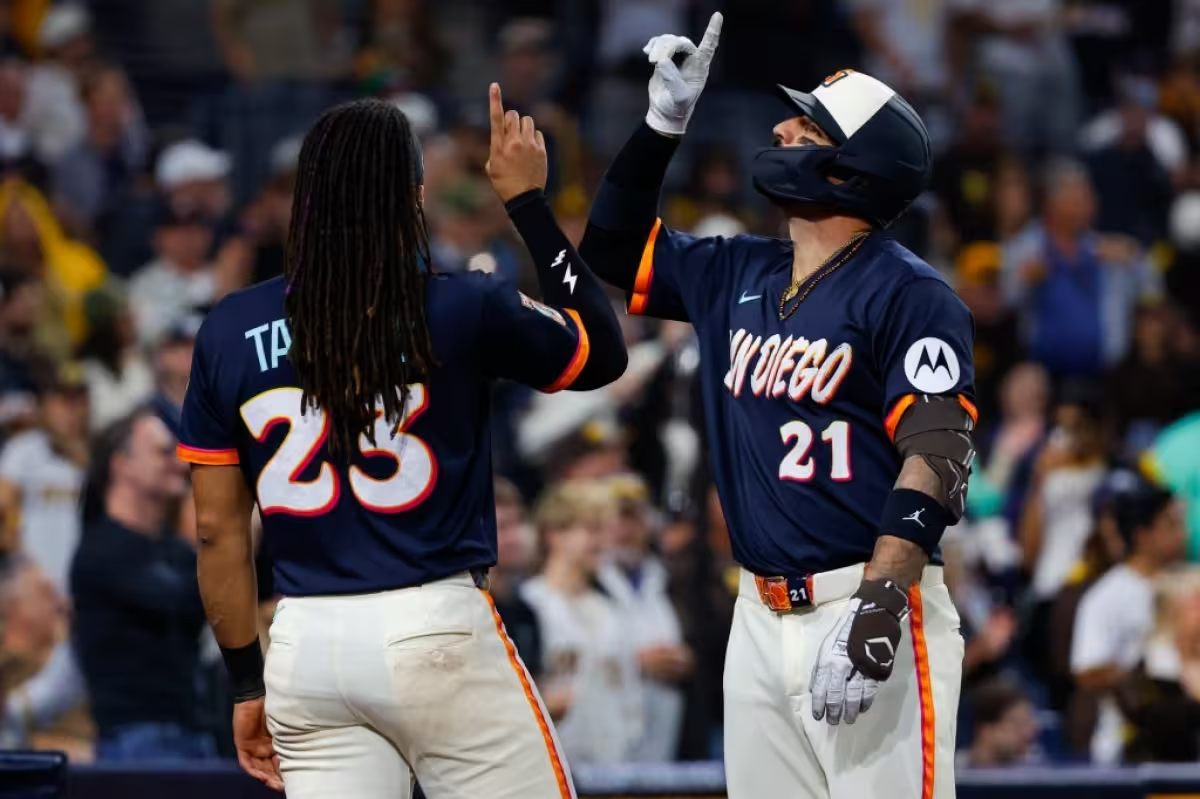
The Padres beat the Athletics 7-3 on Friday, May 22, 2026, turning a start-and-stop game into a comfortable win by leaning on the long ball and a late, small-ball push. Manny Machado’s two-run homer in the first tied the game, Nick Castellanos added a tying solo shot in the fifth and Ramón Laureano’s go-ahead solo in the seventh put San Diego ahead for good; the Padres then added three insurance runs in the eighth on four singles and a sacrifice fly.
San Diego’s victory left the Padres 30-20. The offense in and around this game was strikingly concentrated: over their previous 12 games the Padres scored 44 runs, 24 of them on home runs, and over the two-game stretch that includes Friday they produced nine consecutive runs, all via homers. Earlier in the week, the club’s series against the Dodgers produced five runs and each of them came on homers. Walker Buehler started for the Padres on Friday, and reliever Jeffrey Springs retired 10 of the 11 batters he faced between the Padres’ two home runs, a detail that underscored how quickly the long ball shifted the game’s balance.
The game opened with Oakland taking the early edge when Carlos Cortes singled and later raced home on a Nick Kurtz double in the first. Machado answered on the next Padres swing, drilling a two-run shot to level the score. Oakland nudged back ahead in the fourth when Zack Gelof doubled and Henry Bolte followed with a single. Castellanos’ fifth-inning solo homer again erased the deficit. Laureano’s seventh-inning blast provided the go-ahead run, and the eighth-inning rally — four singles and a sacrifice fly — turned the lead into breathing room.

Context matters: this edition of the Padres sits atop an odd ledger. They carry the major leagues’ lowest batting average even as they hold the fifth-best record. Across the 12-game sample mentioned, the team was batting just better than.203 and yet went 8-4 over that stretch. The split between average and results is striking: home runs have accounted for a large share of their recent scoring, and those homers have often come in streaks that change games in a single swing.
The tension is plain on the field. San Diego is winning enough to sit near the top of the standings, but it is doing so with an offense that rarely strings hits together; instead, it explodes intermittently with homers. That pattern left room on Friday for an unusual combination — long balls to seize and retake leads, and then a short, patient eighth inning of singles to add runs that homers alone had not. When the padres score, they have often done it via homers; on Friday, they mixed both modes to close the game.
Those inside the clubhouse know the math and feel the contradiction. Ramón Laureano put it plainly after the game: "It feels like when we’re scoring, we cannot get many hits, I guess," he said, acknowledging the team’s reliance on the long ball even while pointing out the occasional string of contact that shows up when it matters. The win extended that approach into a result — a 7-3 final and a 30-20 standing — but it also sharpened the question the club will face as the season unfolds: can a team with a sub-.210 batting average sustain winning by firing off homers and mashing a timely few singles?
Laureano circled back to the mix that produced Friday’s runs with a line that was part shrug, part explanation: "And we just either, you know, clutch hits or homers."